What is the Difference Between Hemp Creams, Salves, and Balms?
Hemp-based topicals have surged in popularity as consumers seek the potential restorative effects of hemp. But with so many options available, how do you determine whether a hemp cream, salve, or balm is the right choice for you?
What Are the Benefits of Hemp Topicals?
The growing market for hemp topicals is due to their ability to deliver targeted relief to specific areas of distress. Hemp-derived products are believed to possess anti-inflammatory and antioxidant properties, which may help alleviate various skin issues, including acne, eczema, and psoriasis. Unlike oils and tinctures, hemp topicals can provide localized comfort by directly addressing problem areas.
What is the Difference Between Hemp Creams, Salves, and Balms?
What is a Hemp Cream?
Hemp creams are semi-solid emulsions that combine water, oil, and various ingredients such as stabilizers, emulsifiers, and preservatives. They are often infused with CBD and other cannabinoids, making them a popular choice for those seeking relief and hydration for their skin.
What is a Hemp Salve?
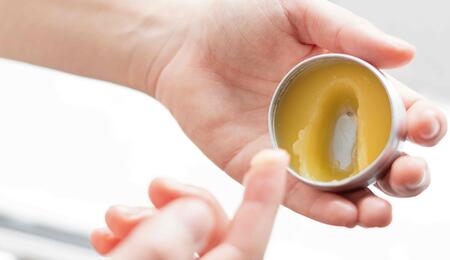
Hemp salves are thicker than creams and are made from natural ingredients like plant extracts, waxes, and oils. Their semi-solid form allows for easy application on the skin. Salves typically have a higher oil-to-wax ratio, providing a balance between hydration and absorption.
What is a Hemp Balm?
Similar to salves, hemp balms have a thick, semi-solid consistency but contain a higher concentration of wax. This means balms can sit on the skin’s surface, forming a protective barrier that seals in moisture.
What is Bioavailability in Hemp Products?
When selecting a hemp topical, one crucial factor to consider is bioavailability. Bioavailability indicates how quickly the product is absorbed and its effectiveness. While all CBD-based topicals have relatively low bioavailability compared to oils and edibles, they offer targeted relief, ensuring that users can achieve benefits more efficiently.
How Do Creams, Salves, and Balms Differ in Absorption?
- Hemp Creams: Due to their high water content, creams absorb quickly into the skin, providing fast-acting relief. They are excellent for hydrating dry, inflamed skin.
- Hemp Salves: Salves have a supple texture, allowing them to absorb faster than balms but generally slower than creams. They remain on the skin longer, delivering sustained benefits.
- Hemp Balms: With a higher wax content, balms do not penetrate the skin as effectively. Instead, they act as a barrier to lock in moisture and protect the skin.
How Long Do Hemp Topicals Last: Shelf Life Considerations?
Hemp balms and salves typically have a longer shelf life due to their wax content, which helps preserve their quality by preventing contamination from mold and bacteria. In contrast, hemp creams can attract harmful microorganisms because of their water content.
How Should You Store Hemp Products?
To maintain the quality and potency of your hemp-based products, proper storage is essential. Even wax-based items can lose their effectiveness over time if not stored correctly. Keep them in cool, dry places away from direct sunlight for optimal longevity.
Which Hemp Topical is Right for You?
Choosing between a hemp cream, salve, or balm ultimately depends on your skin type, personal preferences, and the effects you desire. Identify whether a water-based solution (cream) or a wax-based option (salve or balm) will provide the relief you seek.
By understanding the benefits and differences of hemp creams, salves, and balms, you can make an informed decision that best suits your skincare needs.
More From Soft Secrets:
What to Look For When Buying CBD Products
CBD in Dermatology: A New Era in Skincare
L
Liz Filmer