The History of Hemp
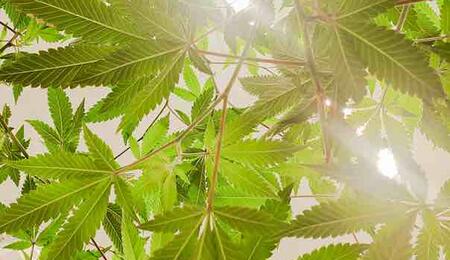
Hemp is a multipurpose, eco-friendly, and rapidly growing plant that is grown for a variety of industrial, nutritional, and therapeutic purposes. It differs from marijuana in that it has minimal THC content.
Its fibers, seeds, and oils are utilized in a range of products, including environmentally friendly textiles, building materials (hempcrete), and biodegradable plastics, as well as health foods and nutritional oils.
Key Aspects of Hemp:
Industrial Uses: The robust bast fibers are utilized for textiles, fabrics, paper, and high-performance composites, while the inner hurd is employed for insulation and hempcrete construction.
Nutritional Benefits: Hemp seeds are extremely nutritious, offering oil used in cooking, cosmetics, and supplements, in addition to protein-rich meal for animal feed.
Sustainability: Recognized for its minimal environmental impact, hemp requires little water, no pesticides, and serves as a carbon sink.
Components: Although it is not used for psychoactive purposes, it contains CBD and other cannabinoids that are included in wellness products.
Hemp has been grown for thousands of years and is legally recognized as a separate agricultural commodity in many areas, including the U.S. and Europe.
10 Ways Hemp Has Been Used Throughout History
1. Ancient Origins: Hemp is one of the oldest cultivated plants in the world, with evidence of its use dating back over 10,000 years in regions such as China and Central Asia.
2. Versatile Uses: Historically, hemp has been utilized for various purposes, including textiles, ropes, paper, and even food. Its strength and durability made it a preferred material for many applications.
3. Legal Documentation: Hemp was so valuable in the past that it was frequently used for making paper. The Declaration of Independence and many historical documents were penned on hemp paper.
4. Maritime History: Sailors relied on hemp for ropes and sails, which were essential for sailing ships. Hemp's resistance to saltwater made it ideal for maritime use.
5. World War II Contributions: During World War II, the U.S. government encouraged farmers to grow hemp for its fibers, which were used in military uniforms, parachutes, and other wartime supplies.
6. Economic Impact: Hemp played a significant role in the economy of early America. In fact, farmers were once legally required to grow hemp in some colonies as a cash crop.
7. Medicinal Uses: Throughout history, hemp has been used in traditional medicine for its potential health benefits, including pain relief and anti-inflammatory properties.
8. Banned and Stigmatized: In the early 20th century, hemp faced heavy regulation and was demonized alongside marijuana, leading to its decline in production despite its many benefits.
9. Renewed Interest: In recent years, there has been a resurgence in interest surrounding hemp, with a growing movement advocating for its legalization and use in sustainable practices.
10. Future Potential: With the rise of eco-consciousness, hemp is being reevaluated for its potential in sustainable materials and renewable resources, promising a bright future for this ancient plant.
More From Soft Secrets:
Hemp for Clothing and Skincare
Hemp CBD or Cannabis-Derived CBD
L
Liz Filmer