The Benefits of Ginseng and Longevity Herbs
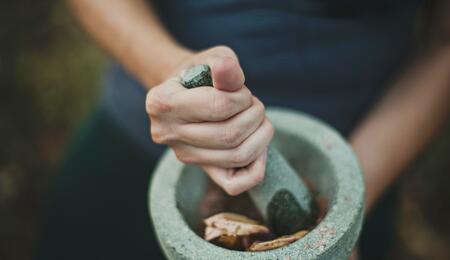
Traditionally, herbalists value Siberian ginseng as a restorative herb that promotes resilience during physical and mental stress
What Is Siberian Ginseng and How Is It Used for Endurance? Siberian ginseng, also known scientifically as Eleutherococcus senticosus or Ci Wu Jia, is a powerful adaptogen frequently utilised by runners and athletes to enhance endurance and support recovery. This herbal plant grows in the harsh climates of Russia, northern China, Korea, and Japan. Unlike traditional ginseng varieties in the Panax genus, Siberian ginseng features eleutherosides instead of ginsenosides, yet it shares a similar reputation in herbal wellness traditions.
Traditionally, herbalists have valued Siberian ginseng as a restorative herb that promotes resilience during physical and mental stress. Its long-standing presence in wellness practices also includes applications in energy and stress adaptation.
How Has Siberian Ginseng Been Studied for Athletic Performance?
In the mid-20th century, Soviet researchers conducted extensive studies on Siberian ginseng and its potential to bolster stamina and athletic performance. This exploration contributed to its adoption in wellness and conditioning programs for Soviet athletes, enhancing its global reputation as a key herb linked to endurance and recovery. Additionally, early studies suggested benefits for focus and mental performance, particularly during the initial phases of space exploration.
While modern scientific evidence remains mixed regarding its efficacy, Siberian ginseng continues to be a popular choice in herbal wellness routines centred on energy, balance, and stress management.
What Are the Benefits of San Chi (Panax Notoginseng) for Circulation?
Panax notoginseng, known as San Chi, is utilised in Traditional Chinese Medicine for its historical association with circulatory support and recovery from physical injuries. It has been especially popular among martial artists and labourers for addressing issues like bruising, swelling, and post-exertion discomfort.
Recent scientific interest has focused on the naturally occurring ginsenosides within San Chi and their potential effects on blood flow, lipid metabolism, and cardiovascular health. Researchers are also examining its possible immune-supportive and anti-tumour effects in laboratory settings. Although early findings are promising, further research is needed to fully understand the mechanisms at play.
Why Is Jiao Gu Lan (Gynostemma Pentaphyllum) Known as the "Immortality Herb"?
Jiao Gu Lan, or Gynostemma pentaphyllum, is often referred to as "southern ginseng" or "Sweet Tea Vine." Despite belonging to a different genus, Jiao Gu Lan is celebrated for its wellness properties, especially in southern China and other parts of Asia. Traditionally brewed into tea, this climbing vine is included in daily wellness regimens.
The plant's intriguing profile includes gypenosides, which share structural similarities with ginsenosides found in Panax ginseng. This similarity has sparked increasing scientific interest in Jiao Gu Lan in recent decades.
Not only does Jiao Gu Lan grow more easily in the wild compared to cultivated ginseng roots, but it has also been more accessible to rural communities. In regions known for high longevity rates, Jiao Gu Lan has become historically linked to concepts of vitality and healthy ageing.
Studies are currently investigating whether Jiao Gu Lan can influence fatigue, learning performance, and physical endurance.
In summary, Siberian ginseng, San Chi, and Jiao Gu Lan are all vital herbs within traditional wellness practices, each offering unique benefits related to endurance, circulation, and longevity. As research continues to unfold, these powerful adaptogens remain integral to holistic health approaches embraced worldwide.
By incorporating these longevity herbs into daily life, individuals may enhance their overall wellness and resilience against stress.
More From Soft Secrets:
Hemp for Clothing and Skincare: The Eco-Friendly Choice
Can D-Limonene Reduce THC-Induced Anxiety?
L
Liz Filmer