7 Things About CBD
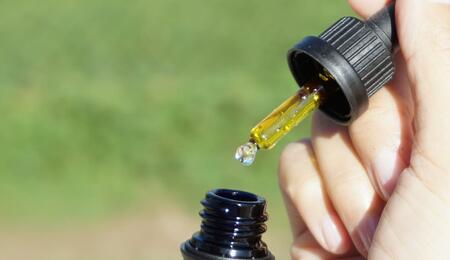
Cannabidiol (CBD) was first isolated from cannabis in 1940 by American chemist Roger Adams, laying the foundation for decades of cannabinoid research.
Cannabidiol, better known as CBD, is one of more than a hundred cannabinoids naturally found in the cannabis plant. Over the past decade, it has become one of the best-known cannabis compounds thanks to growing scientific interest and an expanding range of CBD-rich products. Although researchers continue to study its full potential, there is already plenty we know—and a few things that still surprise people.
Here are seven interesting things about CBD.
1. People Experience CBD Differently
One of the most fascinating things about CBD is that no two people seem to experience it in exactly the same way. Some users report feeling calmer or more mentally clear, while others say it helps them unwind at the end of the day or supports better sleep when taken in higher amounts. People living with conditions such as multiple sclerosis, chronic pain or anxiety have also shared positive experiences, although scientific evidence varies depending on the condition. Factors including dosage, product quality and individual biology all play an important role in how CBD is experienced.
2. Breeding CBD-Rich Cannabis Is More Challenging Than It Looks
Cultivating CBD-rich cultivars involves far more than selecting plants with high yields or pleasant aromas. Modern cannabis breeding relies on repeated laboratory testing throughout the breeding process to verify cannabinoid profiles and ensure stable CBD and THC ratios. Alongside traits such as vigour, flavour and disease resistance, breeders also need consistency, so growers know what to expect from every generation.
3. Many People Use CBD for More Than Physical Conditions
CBD is often associated with pain and inflammation, but that’s only part of the story. Many people are interested in CBD because it helps them manage everyday stress, promotes relaxation or supports better sleep. Cannabidiol is also used for anxiety, although researchers are still investigating the full impact of this cannabinoid on anxiety-related conditions. One thing has become clear over the years: people use CBD for a wide variety of reasons, not just physical wellbeing.
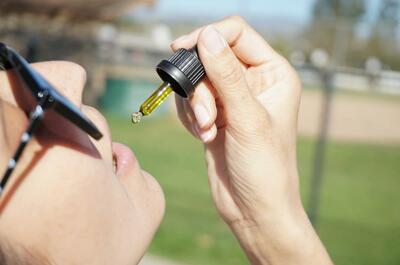
The first prescription CBD medicine, Epidiolex, was approved in the United States in 2018, marking a major milestone for CBD’s entry into mainstream medicine.
4. CBD Isn’t Everyone’s Cup of Tea
Not every cannabis enthusiast falls in love with CBD-rich varieties. Some people appreciate the subtle, clear-headed experience and enjoy remaining productive without the stronger intoxication associated with THC-rich cannabis. Others simply miss the classic euphoric high and find CBD products too gentle for their tastes. Neither approach is right or wrong; it largely comes down to personal preference and what you’re hoping to get from cannabis.
Interestingly, many CBD users say they enjoy the feeling of relaxation and satisfaction without feeling heavily impaired, making CBD-rich varieties a popular choice for daytime use.
5. CBD Doesn’t Replace THC
As CBD has become increasingly popular, it’s easy to forget that THC also has recognised therapeutic applications. Rather than competing with one another, the two cannabinoids may complement each other in certain situations. Researchers continue to explore what’s known as the entourage effect, or the idea that cannabinoids and terpenes work differently together than they do in isolation—although this remains an active area of research. For many patients, products containing both CBD and THC may be more suitable than products containing either cannabinoid alone.
6. CBD:THC Ratios Can Make a Big Difference
Experienced cannabis users often notice clear differences between products with varying CBD and THC ratios. CBD-dominant varieties containing very little THC produce little or no intoxication, even when consumed in larger amounts. Perhaps the best-known example is Charlotte’s Web, a CBD-rich cultivar that gained international attention after being used by children with rare forms of epilepsy. These varieties typically contain high levels of CBD and only trace amounts of THC.
Balanced 1:1 varieties, meanwhile, offer a noticeably different experience, with THC’s psychoactive effects moderated by the presence of CBD. Understanding cannabinoid ratios is one of the best ways to choose a product that matches your needs and expectations.
7. CBD Is Only One Piece of the Puzzle
Despite all the attention CBD receives, it isn’t the only cannabinoid worth knowing about. Cannabis also contains THC, CBG, CBC, CBN and many other cannabinoids, along with aromatic compounds known as terpenes. It is still a bit of a mystery what role each of these compounds may play in the plant’s overall effects. But fortunately, our understanding of cannabis is expanding every year, and CBD is only one chapter in a much larger story.
CBD may have stolen the headlines over the past decade, but the cannabis plant still has plenty more stories left to tell.
More from Soft Secrets:
Disclaimer: This article is for informational purposes only and should not be considered medical advice. If you’re considering CBD to help manage a medical condition or are taking prescription medication, speak with a qualified healthcare professional before use.
S
Soft Secrets