Could Massachusetts Become the First State to Repeal Legal Cannabis?

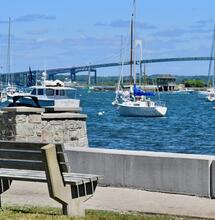
As the political and economic hub of the Bay State, Boston sits at the center of Massachusetts’ $1.65B legal cannabis industry. Photo by Zixi Zhou on Unsplash
In November 2026, Massachusetts voters will decide whether to dismantle the state’s decade-old adult-use cannabis market. If approved, the measure—officially designated as Question 8—would make the Bay State the first in U.S. history to roll back a voter-approved recreational cannabis framework.
A Glance at the State’s Cannabis Policy
Massachusetts has a long and complex relationship with cannabis regulation:
- 1911: Massachusetts becomes the first U.S. state to ban cannabis.
- 2008: Voters approve decriminalization, removing criminal penalties for possessing small amounts.
- 2012: The state legalizes medical cannabis.
- 2016: Voters approve Question 4, officially legalizing recreational adult-use cannabis.
- 2026: A voter initiative threatens to reverse a decade of legal retail sales.
The Ballot Challenge and Key Players
Titled the “Act to Restore Sensible Marijuana Policy,” the initiative was spearheaded by the Coalition for a Healthy Massachusetts and backed by Smart Approaches to Marijuana (SAM), a national anti-legalization group.
On July 9, 2026, the Massachusetts Division of Elections validated the campaign’s final signatures. A legal challenge filed by Boston-area resident Kevin Gilnack alleged that signature collectors used fraudulent and deceptive tactics. However, the State Ballot Law Commission overruled the objection, officially placing Question 8 on the November 3, 2026 ballot.
What “Question 8” Actually Wants to Change
Contrary to a full return to criminal prohibition, Question 8 targets commercial infrastructure rather than individual possession:
- Shuts Down Retail & Cultivation: Repeals the legal frameworks (Chapters 94G and 64N) governing commercial dispensaries, adult-use cultivators, product manufacturers, and personal home cultivation.
- Preserves Personal Possession: Simple possession of one ounce or less for adults 21 and older remains non-criminal.
- Protects Medical Access: The state’s medical cannabis program remains intact, though subject to potential new potency restrictions.
$1.65 Billion Industry and 20,000 Jobs on the Line
Opponents of the bill—organized under coalitions like “Stop the Repeal”—warn that passing Question 8 would cripple a mature market:
- Economic Impact: The state’s adult-use cannabis industry generates roughly $1.65 billion in annual revenue and supports more than 20,000 jobs.
- Tax Revenue & Social Equity: Legal sales fund community reinvestment, addiction prevention, and the Cannabis Social Equity Trust Fund, which provides capital to businesses from communities historically harmed by the War on Drugs.
- The Illicit Market Threat: Industry leaders argue that closing legal dispensaries will not stop consumption; instead, it will drive consumers back to unregulated illicit markets with zero testing, age verification, or tax benefits.
What Lies Ahead in November
While South Dakota voters legalized recreational cannabis in 2020 before the decision was overturned by the state Supreme Court, no state with an established, multi-billion-dollar legal market has ever voted to eliminate it.
Early polling suggests a majority of Massachusetts voters favor keeping legal retail sales, but both sides are preparing for an intense campaign season leading up to November 3.
Read more from Soft Secrets:
Disclaimer: Content published on this site is provided solely for journalistic and educational purposes. It is not intended as medical or legal advice. Readers should consult a licensed healthcare professional for medical guidance.
S
Stephen Andrews