Big Wins and New Bans in Illinois Cannabis

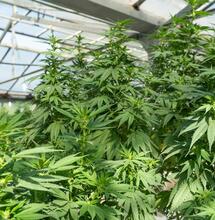
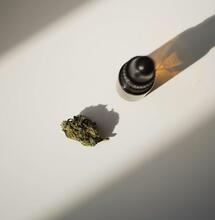
Illinois enacts Senate Bill 3222, expanding licensed cannabis operations while tightening rules on unregulated hemp products. Photo by Stephan Cassara on Unsplash
This summer, Illinois Governor J.B. Pritzker signed Senate Bill 3222, marking the state’s biggest regulatory update since legalizing adult-use cannabis in 2019. The new law draws a clear line: expanding opportunities for licensed cannabis businesses while severely restricting the unregulated hemp market.
What Changes for Licensed Cannabis Dispensaries?
Dispensaries gain several operational upgrades aimed at improving convenience and lowering costs:
- Drive-Throughs & Extended Hours: Retailers can now offer drive-through dispensing and stay open until 2 a.m.
- Doubled Limits: Legal purchase and possession limits for state residents have officially doubled to 60 grams of flower, 10 grams of concentrate, and 1,000 mg of THC in infused products.
- Medical Access: Adult-use dispensaries can add a medical cannabis license, giving medical patients access to lower tax rates.
- In-House Security: Stores can hire internal security guards instead of relying solely on third-party contractors.
How Does the Law Impact Craft Growers and Processors?
The state is opening up capacity to help local brands scale up:
- Tripled Canopy Size: Craft growers can expand their growing space from 5,000 square feet up to 14,000 square feet.
- New Infuser Licenses: Illinois plans to issue up to 145 new infuser licenses by 2028, specifically reserved for social equity applicants.
What is Happening to the Unregulated Hemp Market?
Starting November 12, 2026, Illinois is enacting strict new rules under the newly created Illinois Hemp Act:
- The 0.4 mg THC Cap: Any product containing more than 0.4 mg of total THC per container is banned from general retail stores like gas stations and smoke shops. These can only be sold inside state-licensed dispensaries.
- Outlawed Cannabinoids: Delta-8, Delta-10, HHC, THC-O, and all synthetic cannabinoids are completely banned.
- No Smokable Hemp: All smokable and vapeable hemp flower products are prohibited statewide.
Can Existing Hemp Businesses Pivot to the Legal Market?
While the space is limited, the law creates a transition pathway allowing hemp businesses active before May 1, 2026, to apply for the new social equity infuser licenses. However, because the total number of licenses is capped, not every hemp business will make the cut.
Why Is This Happening Now?
Illinois is tightening its rules ahead of potential federal changes to hemp regulations. By establishing a strict separation between regulated, taxed cannabis dispensaries and unregulated gas-station hemp, state authorities aim to protect consumer safety and defend local licensed market revenue.
Read more from Soft Secrets:
Largest Cannabis Industry Strike Ends at Illinois Cultivation Facility
Could Massachusetts Become the First State to Repeal Legal Cannabis?
The Moment When Alleged Cannabis Shop Arsonists Set Themselves on Fire
Disclaimer: This article is for informational and journalistic purposes only and it does not constitute legal advice.
S
Stephen Andrews