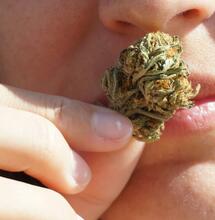
Vapor vs. Smoke: Health and Flavor
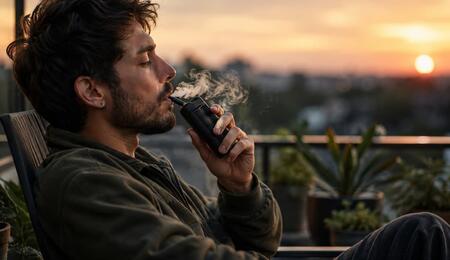
Understanding the scientific differences between a plume of smoke and a cloud of vapor can completely transform your chill out sessions, maximizing both flavor and well-being.
Smoking has been the default method of consumption for decades, valued for its simplicity and immediate effects. But as legal cannabis markets mature and consumers become more informed, many are rethinking combustion in favor of alternatives that prioritize flavor, efficiency, and a potentially cleaner experience.
Vaporization, in particular, has gained traction among enthusiasts seeking to preserve the delicate terpene profiles that give each cultivar its unique character.
Whether you’re chasing flavor, looking to reduce harshness, or simply trying to get more from your flower, understanding the difference between vapor and smoke can help you make a more informed choice.
The Chemistry of Combustion and What Happens When Cannabis Burns
To understand why vaporization is rising in popularity among recreational consumers, it is essential to look at what happens at the tip of a joint or bowl.
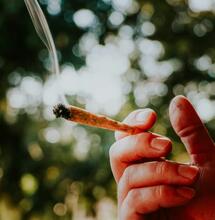
When cannabis is ignited, temperatures can exceed 800°F. This extreme heat triggers combustion: a chemical reaction that breaks down the plant material and creates smoke.
While combustion successfully activates cannabinoids like THC, it comes with significant collateral damage. The intense heat instantly destroys a significant portion of the plant’s active compounds before they ever reach your lungs.
In addition, burning any organic matter produces unwanted byproducts, including:
- Carbon monoxide
- Tar
- Benzopyrene and other volatile hydrocarbons
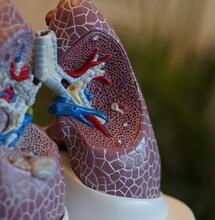
For recreational users, this means smoke inherently introduces harsh toxins into the respiratory system. From a sensory perspective, the heavy presence of ash and tar creates a universal “burnt” taste that masks the intricate, unique flavor profiles of high-quality strains.
The Science of Vaporization and Terpene Protection
Vaporization takes an entirely different approach by relying on precise temperature control rather than an open flame.
Instead of burning the flower, modern dry herb vaporizers (DHVs) heat the material to a specific window—typically between 315°F and 430°F. This is hot enough to boil and bake the active cannabinoids and terpenes into an inhalable vapor, but cool enough to leave the raw plant material unburned.
Because the temperatures remain below the threshold of combustion, the delicate aromatic molecules known as terpenes are preserved. Terpenes are responsible for the distinct flavors and aromas of different cannabis strains, such as the bright citrus of Limonene, the earthy musk of Myrcene, or the spicy pepper of Caryophyllene.
By avoiding combustion, vaporization allows more of the plant’s aromatic compounds to remain intact, resulting in a flavor profile that many users find more distinct and nuanced. Also, terpenes may contribute to the overall character and subjective effects of different cannabis varieties.
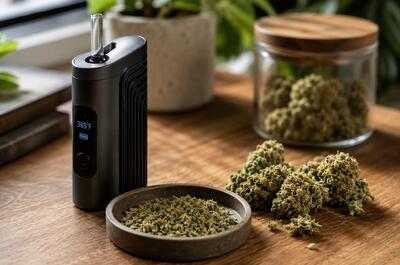
Temperature-controlled vaporization allows consumers to enjoy cannabinoids and terpenes without burning the plant material.
Health and Harm Reduction: Clean Consumption in the Rec Market
For many modern adult-use consumers, recreational enjoyment goes hand-in-hand with physical wellness. Switching from smoke to vapor may reduce exposure to several combustion-related byproducts, making it a popular harm-reduction approach among those cannabis enthusiasts concerned about respiratory irritation.
⚠️ Consumer Safety Alert: Dry Herb vs. Oil Cartridges
When discussing the health benefits of vapor, it is vital to distinguish between dry herb vaporizers and liquid vape pens.
- Dry Herb Vaporizers: Heat raw, natural cannabis flower purchased from licensed state dispensaries. This is widely considered a clean, flower-based consumption method.
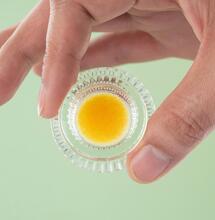
- Concentrate/Oil Cartridges: Utilize liquid extracts. Consumers should exercise caution and avoid the illicit market or unregulated Delta-8/hemp products spawned by loopholes in the 2018 Farm Bill. Unregulated cartridges may contain harmful cutting agents, heavy metals, or vitamin E acetate. It is recommended to stick to lab-tested, state-licensed recreational dispensaries to ensure consumer safety.
Efficiency and Potency: Stretching Your Dispensary Budget
Beyond health and flavor, vaporization offers a distinct “economic” advantage for cannabis consumers looking to optimize their budgets. While you still get high by smoking (or combusting), a large percentage of the THC literally burns away into the air between puffs.
Vaporizers, conversely, extract cannabinoids steadily and thoroughly. Because the process is highly controlled, many users report achieving their desired effects with less flower than they would typically consume through smoking.
Furthermore, vaporizing gives your cannabis a second life. Because the flower is gently baked rather than reduced to ash, the leftover material—known as Already Vaped Bud (AVB)—still contains residual cannabinoids. Recreational users can save this AVB to create homemade edibles or topicals, effectively getting extra value out of a single purchase.
The Experience: Why Some Consumers Still Prefer Smoke
Despite the rise of vaporization, smoking remains the preferred consumption method for many cannabis enthusiasts. Part of the appeal lies in its simplicity—there are no batteries to charge, temperature settings to adjust, or devices to maintain. A lighter and some flower are often all that is needed.
For others, the preference is rooted in tradition and ritual. Rolling a joint, packing a bowl, or sharing cannabis in a social setting can be an important part of the overall experience. Some consumers also report that smoking produces a fuller-bodied or more immediate effect, although individual experiences can vary significantly.
Ultimately, the choice between vapor and smoke is not solely about health or efficiency. Neither method is universally “better” than the other. Personal habits, sensory preferences, and the rituals surrounding consumption continue to play a major role in how people choose to enjoy cannabis.
Read more from Soft Secrets:
- Vaping vs. Smoking Joints: Which Gets You Stronger High?
- Vaping May Cause Dislike of Sweet Smells
- What Are the Benefits of Vape Oil, and Where is it Available?
Disclaimer: This content is intended strictly for educational, informational, and harm-reduction purposes for adults in regions where recreational cannabis use is legally permitted under state law. Cannabis consumption carries inherent risks, and vaporization does not entirely eliminate respiratory exposure. This information does not constitute medical advice and should not replace consultation with a qualified healthcare professional.
S
Stephen Andrews