Why Your Plants Need Phosphorus
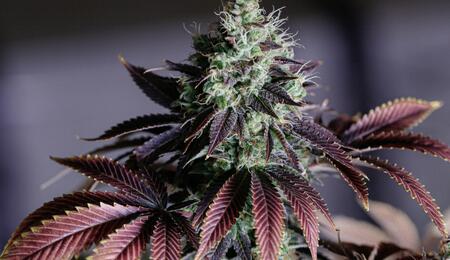
Phosphorus is essential for plant health, much like nitrogen, and is required by plants in large quantities. It is found in every living plant cell and plays a critical role in several important functions, including energy transfer, photosynthesis, the transformation of sugars and starches, nutrient movement throughout the plant, and the transfer of genetic traits from one generation to the next.
Unlike nitrogen, which is abundant in the atmosphere, phosphorus primarily comes from organic sources and both primary and secondary minerals through the phosphorus cycle. The concentration of phosphorus in the soil is usually much lower than that of nitrogen and can vary significantly due to several factors.
Where Do Cannabis Plants Get Phosphorus From?
In indoor growing environments, most of the phosphorus your plants need will come from nutrient feeds. It is especially crucial during germination, the seedling stage, and flowering. Phosphorus is represented by the "P" in the NPK ratio, which is displayed on every fertilizer label. If you follow the directions on your nutrient feed, you should generally achieve good results. However, keep in mind that different plants may have varying phosphorus requirements, so you may need to adjust the levels based on what you are growing.
Phosphorus deficiency is more likely to occur in indoor plants due to the intense lighting, as phosphorus is actively used in photosynthesis, which happens at a higher rate under strong artificial light. Additionally, if temperatures drop below 60°F, plants may struggle to absorb phosphorus. Other factors contributing to deficiencies can include incorrect pH levels and overwatering, which can lead to nutrient leaching from the growing media.
What Does a Phosphorus Deficiency Look Like?
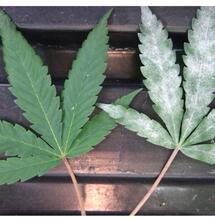
Symptoms of phosphorus deficiency include the darkening of older leaves, smaller new leaves, and various leaf abnormalities such as thickening, spotting, yellowing, curling, mottling, and tip burn. The plant itself may show signs of discoloration, particularly red or purple hues, along with stunted or abnormal growth in both stems and flowers/fruits. Plants with a phosphorus deficiency often have root problems, such as root rot, mold, or increased susceptibility to pests. This deficiency is easily identified if only the parts of the plant exposed to direct light are affected while the rest appears healthy.
Most fertilizers and nutrient formulas designed for indoor plants contain extra phosphorus to accommodate the rapid usage of this nutrient during photosynthesis under strong lights. Bloom fertilizers or booster products can help correct nutrient imbalances and address any other hidden deficiencies.
Using mycorrhiza can be beneficial in preventing phosphorus deficiencies, as it helps improve phosphorus uptake. Guano is another excellent natural fertilizer, as it is rich in phosphorus. Additionally, raising temperatures above 60°F can facilitate better phosphorus absorption.
Regularly check that your pH is between 5.5 and 6.2. If the pH is too high, nutrient salts may hinder your plant's ability to absorb optimal phosphorus levels. To achieve the desired pH, you may need to flush your growing system with a feed solution at the correct pH until the appropriate level is reached.
More From Soft Secrets;
Natural Fertilisers for Cannabis
Cannabis Nutrients, Fast or Slow Release?
L
Liz Filmer