Understanding "Plan Druida": Policing Public Cannabis Use in Barcelona

In recent years, Barcelona has taken significant steps to address drug trafficking and consumption in public spaces. One of the most noteworthy initiatives is "Plan Druida," aimed specifically at increasing oversight of Cannabis Social Clubs (CSCs). What does Plan Druida entail, howd does it affectsCSCs, and what does it mean for Barcelona residents and visitors.
What is "Plan Druida"?
Plan Druida, is an anti-drug initiative launched by the Barcelona Guardia Urbana. Officially unveiled on August 4, 2026, the plan seeks to intensify the fight against drug-related activities, especially in public areas, and has been operational since mid-June 2026.
How are Cannabis Social Clubs Defined?
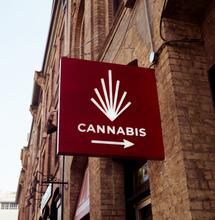
Cannabis Social Clubs are private, non-profit associations that allow members to cultivate and consume cannabis collectively in a controlled setting. They operate under the principles of decriminalization of private possession and consumption of small quantities of cannabis. Unlike commercial dispensaries, access is typically limited to members, often obtained through invitation or co-optation.
What is the History of Cannabis Social Clubs in Barcelona?
The concept of Cannabis Social Clubs in Barcelona can trace its roots back to 1991 with the founding of ARSEC (Asociación Ramón Santos de Estudios sobre el Cannabis). The first official CSC, the Club de Catadores de Cannabis de Barcelona, emerged in 2001. Since then, the CSC model has predominantly developed in Catalonia and the Basque Country. Currently, there are estimated to be between 800 and 1,000 active associations in Spain, with Barcelona home to approximately 200 clubs.
What are the Main Objectives of Plan Druida?
The core components of Plan Druida focus on several key objectives:
- Strengthening Police Presence: Increasing patrols in areas known for drug sales and consumption.
- Operational Intelligence: Improving data sharing on emergency calls, arrests, and complaints to identify hotspots for drug activity.
- Coordination with Catalan Police: Enhancing collaboration with the Mossos d’Esquadra to tackle drug-related issues.
- Action Against Drug Dens: Targeting narcopisos, or apartments used for drug trafficking.
- DUI Checks: Implementing stricter enforcement of driving under the influence laws and conducting inspections of premises.
What Changes Are Happening in Inspections?
Inspections under Plan Druida are ramping up significantly. They are conducted alongside district authorities, public health officials, and the Mossos d’Esquadra, focusing on compliance with health, safety, zoning, and association regulations. The checks may also extend to the areas surrounding CSCs to monitor substance quantities leaving the clubs. Potential sanctions for non-compliance range from administrative fines to criminal penalties if drug trafficking is identified.
How is Drug Trafficking Addressed Near Cannabis Social Clubs?
One of the major targets of the Druida plan is tackling street-level drug dealing and the operation of *narcopisos*. Authorities have reported successful operations, resulting in numerous arrests, the dismantling of sales points, and the seizure of various illicit substances. Critics argue that Cannabis Social Clubs can inadvertently facilitate drug trafficking, although CSC representatives strongly contest these claims.
What Does the Future Hold for Cannabis Social Clubs in Barcelona?
As Plan Druida continues to evolve, the future of Cannabis Social Clubs in Barcelona hangs in the balance. With intensified scrutiny and regulatory challenges, many clubs are facing administrative proceedings, and some have already experienced closures due to regulatory violations.
For residents and visitors alike, understanding the implications of Plan Druida is essential for navigating the changing landscape of cannabis consumption and public safety in Barcelona.
More From Soft Secrets:
L
Liz Filmer