What You Need to Know About Colorado Weed Laws

As the first state in the nation to launch a regulated adult-use cannabis market back in 2014, Colorado has long been considered the blueprint for legalization. However, the legal landscape is not set in stone. Over the last several years, the Centennial State has quietly overhauled its regulations, tightening rules on certain products while expanding consumer access in other areas.
Whether you are a local resident, a home cultivator, or a tourist visiting Colorado’s mountain towns, staying compliant means understanding the current framework. Here is everything you need to know about Colorado’s cannabis laws.
🔞 Age Requirements and Purchasing Basics
To participate in Colorado’s legal cannabis ecosystem, the baseline rule mimics alcohol: you must be 21 years of age or older. This applies to both purchasing from a dispensary and possessing cannabis products.
- Valid Identification: You must present a valid, unexpired government-issued ID (such as a driver’s license or passport) to enter the restricted retail portion of a dispensary.
- No Minors Allowed: It is a felony to sell, give, or share cannabis with anyone under the age of 21.
- Operating Hours: By state law, dispensaries can only operate between 8:00 AM and midnight. However, local municipalities often enforce stricter closing times, so check local store hours in advance.
🛍️ Possession vs. Purchasing Limits: Understanding the Difference
One of the most common points of confusion for consumers is the difference between how much you can buy in a single transaction versus how much you can legally possess.
Transaction (Purchasing) Limits
Adults 21+ can purchase up to 1 ounce (28 grams) of cannabis flower in a single transaction. Because the market has evolved beyond flower, Colorado uses “equivalency metrics” for concentrates and edibles:
- Cannabis Flower: 1 ounce (28 grams).
- Cannabis Concentrates (Wax, Shatter, Live Resin, Vapes): 8 grams.
- THC Edibles/Infused Products: 800 mg total.
Possession Limits
While you can only buy 1 ounce of flower at a time, Colorado state law allows adults to legally possess up to 2 ounces (56 grams) of cannabis. Having more than 2 ounces on your person can lead to legal charges, petty offenses, or misdemeanors depending on the quantity.
🚫 Where Consumption is Forbidden (and Allowed)
Just because cannabis is legal to buy does not mean you can enjoy it everywhere you go. Colorado maintains strict boundaries regarding public consumption.
Strictly Prohibited Spaces
- Public Places: It is entirely illegal to smoke, vape, or consume edibles in public spaces. This includes sidewalks, public parks, amusement parks, concert venues, and sports stadiums.
- Federal Land: This is a critical trap for tourists. Large portions of Colorado, including national parks (like Rocky Montain National Park), national forests, and most of the state’s famous ski slopes, remain subject to federal law. Because cannabis remains illegal federally, possession on federal property is a federal crime.
- Vehicles: Driving under the influence of cannabis is treated with the same severity as a DUI for alcohol. Open container laws also apply—it is illegal to have an open package of cannabis or active consumption inside the passenger cabin of a vehicle.
Where Can You Consume?
- Private Property: Consumption is legal on private property, provided the owner permits it. If you rent an apartment or stay in a hotel, landlords and property managers have the legal right to ban cannabis use on their premises.
- Licensed Hospitality Lounges: Colorado allows licensed “cannabis hospitality spaces” and tasting rooms, though their availability depends heavily on local county and city approval.
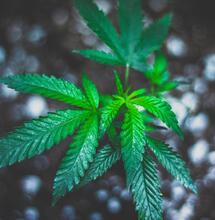
🌱 Home Cultivation Laws
For the green thumbs looking to cultivate their own stash, Colorado allows personal home growing under strict parameters:
- Plant Cap: Adults 21+ can grow up to 6 plants per person.
- Maturity Limit: No more than 3 plants can be mature (flowering) at any single time.
- Household Maximum: Regardless of how many adults live in a single residence, the state caps home cultivation at 12 plants total per household to prevent illicit commercial operations.
- Security: All cultivation must take place in an enclosed, locked space that is not viewable by the public, and must not be accessible to minors.
⚖️ The Medical vs. Adult-Use (Recreational) Divide
Colorado maintains a separate Medical Marijuana (MMJ) program alongside its recreational market.
Recent federal actions have begun recognizing certain state-licensed medical cannabis products under a Schedule III framework, while recreational cannabis remains federally prohibited. Because federal policy continues to evolve, consumers should monitor developments closely.
Recreational Market (Adult-Use)
- Age Requirement: 21+
- Residency: Open to out-of-state visitors
- Taxes: Subject to a 15% state sales tax, plus applicable local taxes
- Purchase Limit: Up to 1 oz (28 g) of flower or 8 g of concentrate
Medical Market (MMJ)
- Age Requirement: 18+ with physician certification
- Residency: Primarily available to Colorado residents
- Taxes: Exempt from retail marijuana excise taxes
- Purchase Limit: Up to 2 oz (56 g) of flower or 8 g of concentrate (limited to 2 g of concentrate for patients aged 18–20)
💼 Workplace and Housing Protections
A common misconception is that legalization protects your job or your housing. In Colorado, it does not.
- Employment: Colorado employers retain the right to enforce zero-tolerance drug policies. They can legally drug test employees and terminate employment for off-duty cannabis use, as the state’s “lawful off-duty activities” statute, unfortunately, does not shield cannabis users.
- Housing: Property owners, landlords, and public housing authorities can fully prohibit the possession, growth, or use of cannabis anywhere on their property.
Knowing these rules keeps you safe, out of legal trouble, and responsible while enjoying everything Colorado’s market has to offer.
Read more from Soft Secrets:
Disclaimer: The information provided in this article is for informational and journalistic purposes only, and it does not represent a substitute for professional legal or medical advice.
S
Soft Secrets