The Importance of Proper Ventilation for Indoor Cultivation
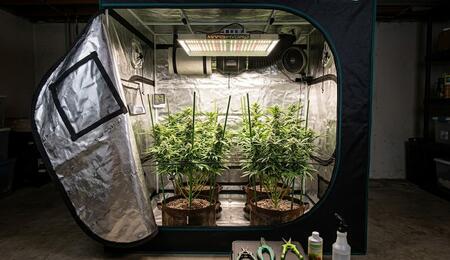
Growing a healthy indoor garden involves much more than choosing the right nutrients, genetics, and lighting. Ventilation and air circulation are equally important because they help maintain a stable environment where plants can grow consistently.
In this guide, I will explain exactly why proper ventilation matters, how different temperature and humidity combinations can affect an indoor garden, and practical ways you can improve your indoor growing environment to produce the best quality harvests every time.
What Is The Optimal Indoor Growing Environment for Cannabis?
An indoor grow room should provide plants with conditions that support healthy development throughout the entire growth cycle. Temperature, humidity, fresh air, and air movement all work together to influence plant health, growth rate, and final yields. Good ventilation also helps reduce excess moisture and minimise the conditions that can encourage mould, bacteria, and other pathogens.
Effective ventilation continuously replaces warm, stale air with fresh air while helping control temperature and humidity. Good air circulation also prevents pockets of stagnant air from developing around plants and within the grow room.
- Proper ventilation maintains fresh air and consistent temperatures
- Proper ventilation ensures healthy air movement around plants
- Managing temperature and humidity helps reduce plant stress
- Proper ventilation creates a more stable environment for growth
- Good airflow and moisture control can help reduce pathogens
Temperature and humidity requirements can vary according to the plant's growth stage, lighting system, growing environment, and other factors. Rather than relying on a single target, growers should monitor their environment regularly and make adjustments when conditions move outside the preferred range. I would recommend using a VPD chart to optimize the grow room and as a guide to the different environmental settings for each stage of growth.
Maintaining consistent environmental conditions indoors can be challenging. Outdoor weather, seasonal temperature changes, grow lights, extraction capacity, and humidity can all influence the conditions inside a grow room. A properly designed ventilation system allows growers to respond to these changes and maintain a more stable environment.
The Different Types of Growing Environment
When you plug your lights in, and fire up your extractor and intake fan, depending on the weather outside, the temperature and humidity of your grow room can differ depending on the season. Let’s take a look at a few of the different types of growing environments that are possible.
Minimal Ventilation and Moisture Build-Up
Air stagnation occurs when there is insufficient air movement or ventilation within the grow room. Warm, humid air can become trapped around the plants, while moisture may accumulate on walls, ceilings, leaves, and the surface of the growing medium.
Persistent moisture and poor circulation can create an environment that encourages mould and other unwanted microorganisms. Condensation on walls or ceilings, particularly after lights switch off, can be a warning sign that humidity and ventilation need attention.
High Temperatures and Low Humidity
Hot conditions combined with low humidity can create another challenging environment. Plants may transpire rapidly, and excessive heat can result in visible stress, particularly when air circulation and ventilation are inadequate.
During flowering, prolonged exposure to excessive heat may also affect the quality and development of flowers. Managing heat before it becomes excessive is generally easier than trying to correct a severely overheated grow room.
Low Temperatures and High Humidity
Cold, humid conditions can be particularly challenging during the winter months. When a grow room is poorly ventilated, moisture can accumulate in the air and around the growing medium, potentially slowing plant development and creating favourable conditions for cannabis bud rot and other pathogens.
Improving air exchange can help remove humid air while introducing fresh air. However, simply increasing extraction may also cool the room, so manage temperature and humidity together.
Low Temperatures and Low Humidity
A cold growing environment combined with very low humidity can slow plant development and increase environmental stress. Dry air can increase transpiration, while low temperatures can affect the plant's ability to maintain normal physiological processes. Rather than correcting humidity alone, growers should address both temperature and humidity to create a more stable environment.
No Negative Pressure
Effective grow-room ventilation requires a balanced approach to intake and extraction. If the extraction system cannot remove air quickly enough, heat, humidity, and stale air can accumulate inside the room. This is a sign that there is more air entering the grow space than being ventilated out resulting in a lack of negative drag pressure needed to properly ventilate a grow space and especially grow tents.
An adequately sized extractor helps continuously remove used air and replace it with fresh air. In sealed or highly controlled environments, ventilation requirements may differ, so growers should design their system around the room size and the equipment being used rather than relying on a fixed ratio.
My Top Tips for Optimal Air Flow and Ventilation
Below are my top tips for optimal air flow and ventilation.
Tip #1 - Raise Your Lights
If you find that the temperature between the grow light and the top of the canopy is too warm, then you can always adjust the distance to 18-24 inches away. This extra space will allow hot air to better circulate and keep the air around the canopy cooler.
Tip #2 - Run Lights at Night
This tip works best when you are flowering, and instead of turning the lights on in the day time, simply change the timer so they turn on at night time from 10pm until 10am for example. The temperature and humidity levels will be much easier to control and maintain and ensure much cooler temperatures and better all round ventilation.
Tip #3 - Digital Hygrometer
I cannot emphasise enough how important it is to equip your grow room with a digital hygrometer. This low cost device will tell you the temperature and humidity levels 24 hours a day. Never grow without a hygrometer and get into the habit of being as efficient and professional as possible.
My Final Thoughts
A well-ventilated grow room gives plants a more stable environment and makes it easier for growers to respond to changes in temperature and humidity. Environmental conditions can change quickly, particularly during seasonal weather changes, so having the right equipment available can make maintaining consistency much easier.
Ultimately, good ventilation is about maintaining balance. Fresh air, appropriate temperature, controlled humidity, and consistent air movement all contribute to a healthier indoor growing environment. Regular monitoring allows growers to identify changes early and make adjustments before environmental stress becomes a significant problem.
S
Stoney.Tark