Why Flushing Your Cannabis Plants is Important
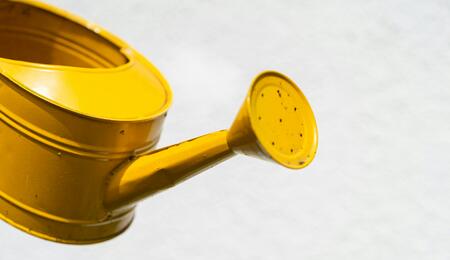
When growing cannabis indoors, growers typically use a nutrient-rich feeding solution to support the plants' rapid growth. While these nutrients are essential for producing healthy crops, they can leave behind unwanted chemical residues in the plants. These residues may negatively affect the plant's taste, smell, and color. To eliminate these unwanted effects, both hobbyist and commercial indoor growers often "flush" their plants.
What is Flushing?
Flushing cleanses the plants of harmful chemicals that they may still be holding. The plant's vascular system is responsible for transporting nutrients and water throughout the plant, beginning with the roots. This system nourishes the entire plant, including the leaves, fuels the process of photosynthesis, aids in fruit development, and supports overall growth.
Plants store any surplus nutrients, starches, or sugars that they do not immediately need for later use. Most of these reserves are kept in the stem and root ball. Under normal growing conditions, these deposits consist of naturally occurring, low-level chemical elements that the plant releases as needed throughout its life cycle. However, in an indoor growing environment, where nutrients and chemicals are more plentiful, these reserves can become excessive. It's essential to remove these chemicals before harvest to ensure that the final product is safe for human consumption.
How Does a Cannabis Plants Vascular System Work?
The plant's vascular system has two main pathways: the Xylem and the Phloem. The Xylem consists of four different cell structures and is responsible for transporting water and dissolved nutrients from the roots to the rest of the plant. It can also store these nutrients and water for later use. In contrast, the Phloem distributes the sugars produced in the leaves throughout the plant.
The flushing process begins by halting any further nutrient absorption through the Xylem and replacing it with water. This is similar to giving someone who is intoxicated a glass of water to help sober them up or dilute the alcohol in their system.
The second part of flushing involves removing or diluting as many of the active chemical elements already present in the plant's vascular system as possible.
While some may disagree, many experienced growers emphasize the importance of flushing their plants. Those who have previously neglected to flush before harvest often notice a significant difference in crop quality.
What Happens If you Don't Flush Your Cannabis Plants?
Cannabis plants tend to store excess nutrients, salts, and other compounds during their growth cycle. If growers do not allow the plants to dispose of these surplus compounds by flushing before harvest, they risk negative side effects. Failing to flush can lead to issues such as black ash and an unpleasant chemical taste, resulting in a harsher and more bitter final product.
More From Soft Secrets:
L
Liz Filmer