Trump Signs Executive Order to Reclassify Cannabis
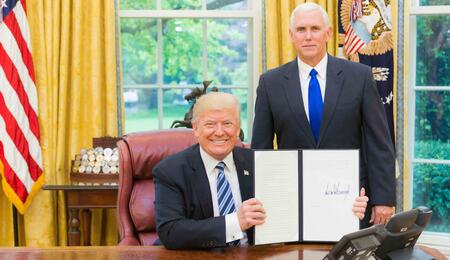
On December 18, 2025, U.S. President Donald J. Trump signed an important executive order directing the Department of Justice to speed up the process of changing marijuana's classification from Schedule I to Schedule III under the Controlled Substances Act (CSA). This change represents the biggest shift in U.S. drug policy in over 50 years. Until now, cannabis has been grouped with very dangerous drugs like heroin and LSD. With this new classification, it will be recognised as a drug that has accepted medical uses and a lower risk of abuse, similar to medications like ketamine or Tylenol with codeine.
What Does Moving to Schedule III Mean?
While this change doesn’t mean that marijuana is legalisedfor recreational use across the country—a point the president emphasised— it significantly changes the legal and economic landscape in several ways:
1. **Federal Medical Recognition**: For the first time, the federal government acknowledges that cannabis can be usedfor medical purposes.
2. **Lower Potential for Abuse**: The risk of becoming dependent on cannabis is now seen as moderate to low compared to drugs in Schedule I and II.
3. **Relief for Cannabis Businesses**: A major immediate effect is that cannabis companies will no longer be held backby Section 280E of the tax code, which previously prevented them from deducting normal business expenses. They can now operate like any other legal business.
4. **Boost to Research**: This executive order is about more than just reclassification. It calls for removing barriers that have stopped universities and labs from studying THC and CBD. The goal is to learn more about the medical benefits and risks of cannabis, finally allowing for importantstudies that were previously blocked.
How Does This Affect Europe?
Although this executive order only has authority in the U.S., experts believe it could influence drug policy discussions around the world.
- **Impact on Global Treaties**: The U.S. classification of cannabis as Schedule I has been central to global drug prohibition. By moving it to Schedule III, the U.S. sends a strong signal to the international community, potentially easing the way for countries like Germany and Spain to continue reforming their own laws without fear of backlash from the U.S.
- **Support for European Cannabis Regulation**: Spain is currently working on regulating medicinal cannabis. The U.S. now officially recognises the medical use of cannabis, which provides important scientific and political backing. It could help speed up efforts by Spain's health authorities to align their regulations with this new recognition.
- **Investment Opportunities**: Removing the tax barrier in the U.S. will strengthen large cannabis companies, making them more appealing to global investors. This could lead to increased investment in the cannabis sector, particularly in emerging markets in Europe, with Spain playing a significant role as a potential agricultural hub.
A Major Change in Perspective
In summary, the executive order signed on December 18, 2025, doesn’t legalise marijuana across the U.S., but itremoves many of the significant obstacles that have stood in the way of its acceptance. By acknowledging the medical benefits of cannabis and easing tax restrictions for cannabis businesses, the Trump administration has initiated a significant change. While the fight for full legalisation still rests with individual states and Congress, this move legitimises the cannabis industry as an important part of both the economy and healthcare, finally bringing it out of the shadows after decades of prohibition.
More From Soft Secrets:
L
Liz Filmer