Hemp Seeds Under U.S. Government Scrutiny: Implications of New Federal Ban
What US Seed Restrictions Mean for Hemp Farmers?
Recent federal regulations concerning hemp seeds, introduced as part of an amendment to the U.S. Budget Act, have raised serious concerns among hemp growers, breeders, and seed banks. For years, these seeds have been legally traded, regardless of their intended uses. However, upcoming changes will significantly alter the existing framework governing hemp seed legality.
Key Issues with the New Hemp Seed Regulations
A major concern is the shift from assessing the seeds themselves to analyzing the potential THC content that a plant from those seeds can produce. This pivotal change heightens legal risks and threatens the genetic diversity essential for the growth of the U.S. hemp industry since the 2018 Farm Bill.
Impacts on Hemp Seed Producers and the Industry
For the first time since the enactment of the 2018 Farm Bill, the sale of most cannabis seeds in the United States may face stringent federal restrictions. A late amendment to the budget bill has significantly limited the types of seeds that can be legally sold, prompting alarm among industry experts.
These new regulations could lead to market disruption, jeopardizing the genetic diversity that breeders and producers have cultivated over the last seven years. Many companies now face legal uncertainties, unsure of the criteria that federal authorities will use to enforce these new laws.
What the New Seed Restrictions Mean for Hemp Farmers
A Fundamental Shift in Legal Definitions
Previously, under the 2018 Farm Bill, hemp seeds were considered legal as long as the plants produced did not exceed a THC concentration of 0.3%. These seeds were viewed as low-risk agricultural products for farmers, hobbyists, and medical patients alike.
Now, the definition has changed. The legality of hemp seeds will be determined based on the potential total THC content of the plants they could ultimately yield. This assessment encompasses not only Delta-9 THC but also a range of other forms and isomers, including THCA, Delta-8 THC, and Delta-10 THC.
As a consequence, numerous seeds currently available on the market may become federally illegal when these new regulations take effect on November 12, 2026—approximately one year after the law's passage.
Challenges in Identifying THC Levels in Seeds
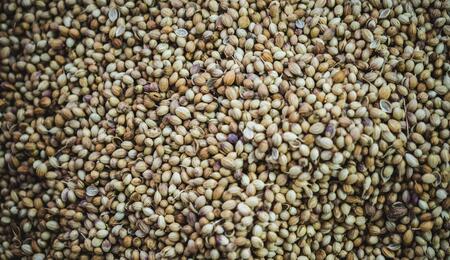
Industry representatives emphasize a critical challenge posed by the new regulations: THC levels cannot be easily determined through visual inspection of the seeds. As Sergio Martínez, founder of Blimburn Seeds Bank, states, all seeds appear identical until they are planted and cultivated, a process that can take several months.
This situation poses significant enforcement challenges for law enforcement and creates a climate of uncertainty for sellers and growers. Seeds sold today with good intentions may result in legal consequences if they are later found to potentially produce plants exceeding the allowable THC threshold.
Consequences for Small Hemp Businesses and Growers
Vulnerable Small Businesses
Small-scale hemp growers and independent seed producers are likely to be the most impacted by these new regulations. They have played a crucial role in developing niche and specialized seed varieties, particularly those designed to meet specific medical needs.
Restricted access to a diverse genetic pool could stifle innovation, complicate the maintenance of existing lines, and hinder their ability to compete with larger corporations that have more legal and financial resources. Concerns are mounting that these new regulations may lead to a marketplace that favors large players.
Market Consolidation and Bankruptcy Risks
With these regulations set to be implemented, a wave of market consolidation is expected. Smaller seed banks and breeders who cannot afford the genetic documentation or secure their inventory before November 2026 may need to close their operations or sell their assets to larger companies.
Impact on Medical Patients and Cannabis Hobbyists
Limited Access to Medical Marijuana Strains
The new regulations could significantly affect medical marijuana patients who rely on specific, proven strains to manage chronic pain, anxiety disorders, epilepsy, insomnia, or nausea related to chemotherapy.
If growers lose access to seeds that preserve these genetic lines, patients may find their treatment options drastically limited. In severe cases, those who have experienced effective relief with a particular strain may be compelled to switch to less effective alternatives.
This evolving landscape poses considerable challenges for the entire hemp industry, especially small businesses and medical patients. Staying informed about these changes is crucial for anyone involved in the hemp market or relying on its products for medical use.
By understanding the implications of these new regulations, stakeholders can navigate the complexities of the U.S. hemp industry more effectively.
More From Soft Secrets:
The EU Plans to Recognise Hemp Flowers as an Agricultural Product
What Happened to the Merger of Barney's Farm, Sensi Seeds & ILGM?
L
Liz Filmer