Nitrogen and Phosphorus Deficiencies in Cannabis Plants
How Do You Spot Nutrient Deficiency in Cannabis?
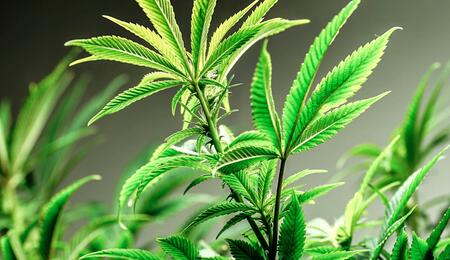
Cannabis plants are resilient but may suffer from reduced health and vigor if deprived of essential nutrients. Without prompt correction, nutrient deficiencies can stunt growth or even kill your crop. Recognizing these issues early is crucial for maintaining plant health.
What are the Common Signs of Nutrient Deficiencies?
Identifying nutrient deficiencies in cannabis can be challenging. However, here is a basic list of symptoms to look out for:
1. Yellow Leaves: This can indicate a variety of deficiencies or even light burn.
2. Curling Leaves: Upward curling might suggest potassium deficiency, while downward curling could indicate phosphorus deficiency or overwatering.
3. Brown Leaves: Brown coloration may signal deficiencies in phosphorus, potassium, magnesium, sulfur, or manganese. If browning is solid, it may indicate nutrient burn or heat stress.
4. Drooping Leaves: This often points to overwatering.
5. Stunted Growth: When plants exhibit overall poor growth, it may be due to multiple nutrient deficiencies.
What Does a Nitrogen Deficiency Look Like?
Why is Nitrogen Important for Cannabis?
Nitrogen deficiency is perhaps the most prevalent issue among cannabis growers. Early signs are often easy to identify.
How Can You Recognize Nitrogen Deficiency?
In the initial stages, nitrogen-deficient leaves exhibit a yellowish-green color, contrasted with darker veins. As deficiency progresses, leaves become lighter and may ultimately dry out and die, particularly starting with the larger, lower leaves. In the later stages, the upper leaves may also turn pale yellow, and significant leaf drop can occur.
How Do You Fix a Nitrogen Deficiency?
If nitrogen deficiency occurs during the flowering stage, it’s usually a natural process and doesn’t require correction. However, when it manifests in the vegetative or early flowering stages, it severely affects yield and quality. To address nitrogen deficiency:
- Boost Nitrogen Levels: Increase the strength of your normal NPK-based feed.
- Use Nitrogen Additives: If needed, nitrogen-only supplements can easily be found.
What Are the Signs of a Phosphorus Deficiency?
Why is Phosphorus Critical for Cannabis Growth?
If phosphorus deficiency occurs during the vegetative stage, plants can suffer from stunted growth, small leaves, and weak roots.
How Can You Identify Phosphorus Deficiency?
Initially, leaves may appear dark and washed-out, with distinct dark veins. As the deficiency progresses, purplish discoloration appears on the leaves, with edges turning brown and curling downward. In severe cases, large sections may die off while remaining areas become a dappled yellow-green.
How to Address Phosphorus Deficiency?
To remedy phosphorus deficiency effectively, follow these steps:
1. Maintain Temperature: Keep temperatures above 15 degrees Celsius to facilitate phosphorus absorption.
2. Water Correctly: Ensure adequate watering; overwatering or compacted soil can lead to deficiency.
3. Check pH Levels: Use pH control products to maintain soil pH between 6 and 7.
4. Add Phosphorus Sources: Incorporate organic options like fish meal, worm castings, soft rock phosphate, or crab shell into the soil.
Conclusion
Recognizing and addressing nitrogen and phosphorus deficiencies is essential for the successful cultivation of cannabis plants. Regular monitoring and prompt corrective measures can ensure your plants remain healthy and productive, leading to better yields and quality harvests. By understanding the signs and symptoms of these common deficiencies, cannabis growers can create a thriving environment for their crops.
More From Soft Secrets:
L
Liz Filmer