Is Medical Cannabis Cost Reimbursement Ending in Germany?
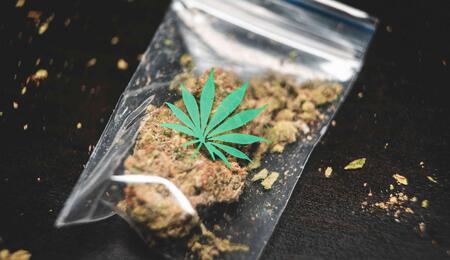
cannabis flowers will no longer be covered by the compulsory health insurance scheme.
Recently, significant changes have taken place regarding the reimbursement of medical cannabis flowers in Germany. Patients relying on this treatment option may face new challenges due to the decision made by the Bundestag (the German parliament) on July 10.
What Does the New Law Mean for Patients?
Under the new law, cannabis flowers will no longer be covered by the GKV compulsory health insurance scheme, which serves about 90% of Germans. Instead, patients will only be eligible for reimbursement on cannabis extracts or medications based on synthetic THC, such as Dronabinol and Nabilone. However, this coverage comes with a catch: patients must first undergo a mandatory six-month treatment trial with approved "finished" medications.
Which Medications Will Be Covered?
To qualify for reimbursement under the new law, patients will need to demonstrate that they are suffering from a serious illness where standard treatments are ineffective or unsuitable. The following medications are approved for the six-month trial:
1. Sativex - A THC/CBD spray for treating spasticity associated with multiple sclerosis.
2. Epidyolex** - A CBD-based medication approved for specific severe forms of epilepsy.
3. Canemes - A medication for chemotherapy-induced nausea and vomiting.
4. Exilby - A full-spectrum extract approved for chronic lower back pain, though it is yet to be reimbursed as its price is still under negotiation.
Why Are Patients Concerned About This Change?
The rationale behind this change is to reduce healthcare costs as outlined in the *GKV-Beitragssatzstabilisierungsgesetz* (Act on the Stabilization of GKV Contribution Rates). However, healthcare professionals and patients are expressing concern. Dr. Christiane Neubaur, Managing Director of the *Verband der Cannabis versorgenden Apotheken* (Association of Cannabis-Dispensing Pharmacies), highlighted on LinkedIn that many patients currently using prescription cannabis may not qualify for the approved medications. This could create barriers for those in need of medical cannabis who lack a suitable "finished" medication.
How Will This Affect the Medical Cannabis Market in Germany?
Despite the changes, the overall impact on the medical cannabis market is predicted to be limited. Medical cannabis flowers make up only 3% to 4% of the market share. Currently, Germany produces approximately twenty tonnes of cannabis flower each month for patient consumption, indicating that while reimbursement changes may affect some patients, the majority of the market will remain stable.
What Are the Implications for Future Patients?
Patients relying on cannabis flowers must be aware that with these new regulations, they may need to seek alternative treatments or possibly turn to the black market for their needs. Understanding these changes is crucial for patients and caregivers navigating the complexities of medical cannabis use in Germany.
In conclusion, while this shift may bring significant implications for some patients, the broader effects on the medical cannabis landscape are expected to be minimal. Staying informed and adaptable will be essential as these new policies take effect.
More From Soft Secrets:
Cannabis Regulation in Germany: An Update
Germany, The Perfect Market for USA Cannabis Business Expansion
L
Liz Filmer