Delta-8 THC and Delta-9 THC, Whats the Difference?
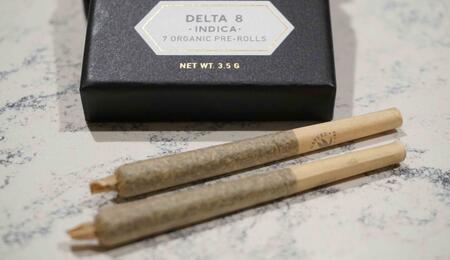
While legislators debate the legality of Delta-8, researchers have explored a more practical question: Why do people choose to consume Delta-8? Is it simply because it's legal, or does it provide distinct benefits?
A revealing study published in the *Journal of Cannabis Research* by Jessica and Daniel Kruger sheds light on this issue. After surveying over 500 users, they concluded that Delta-8 is not just a legal alternative; it offers a unique effect profile that many people prefer. They have referred to it as "the younger sibling" of Delta-9 THC.
Top Findings: No More Paranoia
One of the most significant findings from the study is the difference in adverse effects between Delta-8 and Delta-9. Anyone who has smoked traditional marijuana, which is high in Delta-9 THC, knows that it can sometimes lead to negative experiences, such as social anxiety, paranoia, or racing thoughts.
According to the data from Kruger’s study:
- Users reported significantly less anxiety and paranoia with Delta-8 compared to Delta-9.
- The experience with Delta-8 was consistently described as more lucid and functional.
This difference explains why Delta-8 has carved out a loyal following among both recreational users and medical patients who need relief during the day without feeling overwhelmed.
Similar Relief with Less Intensity
So, does Delta-8 get you high? Yes, but the experience is different. The study confirms that Delta-8 induces relaxation and pain relief similar to Delta-9, but with reduced intensity.
Duration: The effects of Delta-8 may take a bit longer to appear, but users report that the duration is comparable.
Appetite: Like Delta-9, Delta-8 stimulates appetite, making it useful for patients dealing with appetite issues.
Research indicates that Delta-8 occupies an ideal middle ground: it provides the therapeutic benefits of THC—such as pain relief and relaxation—while maintaining a safety profile more akin to CBD.
Substitution and Harm Reduction
An intriguing aspect of the study is the users' behavior. Many were not consuming Delta-8 to get high but rather to take better care of themselves. A substantial proportion of respondents reported using Delta-8 to reduce their overall marijuana consumption. Others opted for it as a substitute for pain or anxiety medications, appreciating its lower psychological impact.
The results of this study evoke a bittersweet thought regarding the potential ban of Delta-8 in the U.S. and the restrictions in Europe. By criminalizing Delta-8 for technical reasons, we may be eliminating a valuable harm reduction tool. For many individuals, Delta-8 isn’t just a legal loophole; it’s a way to enjoy cannabis without the anxiety that can accompany traditional marijuana use. As the study authors conclude, Delta-8 presents a lower risk profile and real therapeutic benefits that warrant further research, rather than prohibition.
Does Delta-8 get you as high as regular marijuana?
Not exactly. It is psychoactive but is believed to be less potent than Delta-9. The effects are milder, producing a more lucid mental and physical state.
Will Delta-8 cause a positive result on a drug test?
Yes. Urine and saliva tests typically look for THC metabolites and do not usually distinguish between Delta-8 and Delta-9. Therefore, consuming Delta-8 may result in a positive drug test.
Is Delta-8 safe?
The cannabinoid itself appears to be safe and well-tolerated. The main risk, as noted in previous articles, stems not from the molecule itself but from the lack of regulation in its production, which can lead to chemical impurities.
More From Soft Secrets:
L
Liz Filmer