Why Enzymes Are Important for Cannabis Cultivation
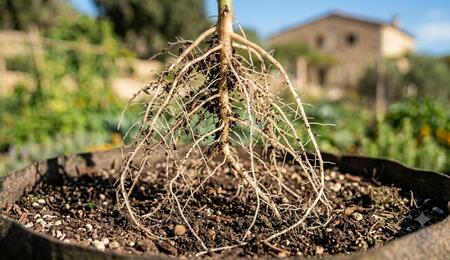
Enzymes are an important part of a plant’s metabolic process and something that is often overlooked by growers. Two types of enzymes will be covered in this article, both of which are beneficial for plant energy production and root and soil health.
In this article, I will explain everything you need to know about the relationship between cannabis plants and enzymes, the main differences between the two, when to use enzymes, and my top tips for using them.
What Are Cannabis Plant Enzymes?
When most growers think about nutrients, they often focus on nitrogen, phosphorus, and potassium. However, one of the most overlooked components of successful cannabis cultivation is the role enzymes play in both plant development and soil health.
Just as the human body relies on enzymes for digestion, energy production, and cellular repair, cannabis plants also produce a range of enzymes that support growth and metabolic processes. In addition, enzyme products designed for the root zone can improve soil health, accelerate the breakdown of organic matter, and increase nutrient availability.
Enzymes are specialised proteins that act as biological catalysts, accelerating chemical reactions that would otherwise occur much more slowly. Cannabis plants naturally produce enzymes to support growth, nutrient uptake, and energy production. Without enzymes, many of the processes required for healthy plant development would be far less efficient.
Whether breaking down stored carbohydrates for energy or converting organic compounds into plant-available nutrients, enzymes play an essential role throughout the cannabis life cycle.
- Enzymes break down dead roots and organic waste within the growing medium
- Increases the availability of minerals and sugars in the root zone
- Supports beneficial microbial activity in the soil
- Helps reduce the risk of root diseases and harmful pathogens
- Improves nutrient uptake efficiency
- Promotes healthier root development
- Has minimal impact on the EC value of nutrient solutions
- Acts as a catalyst for important biochemical processes within the substrate
- Speeds up the decomposition process of organic material
Enzymes Found in Cannabis Plants
There are two types of enzymes: those that plants produce naturally and those that we can add to water. The following explains the different enzymes that cannabis plants produce and their role and functions.
Phosphatases
These enzymes convert organic phosphorus compounds into forms that plants can absorb and utilise more efficiently.
Lipases
Lipases break down fats and oils into fatty acids and glycerol, supporting various metabolic functions within the plant.
Cellulases
Cellulases help decompose cellulose and release sugars that can be used for energy production.
Amylases
Amylases break down starches into simple sugars, providing the plant with a readily available energy source for growth and development.
Proteases
Proteases convert proteins into amino acids, which are essential building blocks for new plant tissue and cellular repair.
Sulfatases
Sulfatases help release sulfur from organic materials, making this important nutrient available to the plant.
Ureases
Ureases break down urea and convert it into usable nitrogen compounds that support healthy vegetative growth.
Plant Enzymes vs Soil Enzymes
While cannabis plants naturally produce enzymes, many growers also use enzyme supplements to improve conditions in the growing medium, clean the roots, and accelerate the decomposition of organic matter. Plant enzymes operate within the plant itself, supporting functions such as energy production, nutrient transport, and tissue development.
Enzymes used for soil, coco coir and hydroponic systems work within the root zone. Their primary role is to break down dead organic matter, old root material, and nutrient residues. This process releases valuable minerals and sugars while creating a cleaner and healthier environment for root development, which is especially important when using a soilless growing medium such as coco coir or rockwool.
When Is the Right Time to Use Enzymes?
Adding liquid enzymes to your nutrient solution is recommended from the seedling stage until the final weeks of flushing. I love using enzymes because they help plants absorb nutrients more easily and maintain optimal soil health, thereby eliminating the threat of pathogens like root rot. Below are the ml/L ratios I use during each stage of the grow cycle.
- Seedling Stage = 1ml /L
- Vegetation Stage = 2.5ml/L
- Flowering Stage = 3ml/L
- Flushing Stage = 5ml/L
What Are the Benefits of Using Liquid Enzymes?
Enzymes actively work to break down organic matter. They are used to clean dishwashers, clean ponds and even help clean up soil. Liquid enzymes will have a clear, shiny appearance and a mild, chemically sweet or lightly sour aroma. Below highlights the benefits of using liquid enzymes as part of your nutrient feeding schedule.
- Enzymes speed up the decomposition rate of organic matter
- Enzymes clean roots, giving them a bright white glow
- Coco coir can be reused after washing through with enzymes
- A grower can use enzymes at any stage of the grow cycle
- Mixing different brands of enzymes provides more biological catalysts
- Enzymes keep hydroponic systems clean of root decay
- Enzymes produce better-tasting buds
My Top Tips When Using Enzymes on Cannabis Plants
There are a few tricks and tips I have learned over the years for using liquid enzymes as part of your feeding programme.
Tip #1 - Start Small
When you first start giving your plants enzymes, start with a low ratio during the seedling and early vegetative stages. Your plants are still developing roots and expanding through the soil and pot. Once your plants grow bigger, you can slowly increase the ratio.
Tip #2 - Use Multiple Brands
I have found that combining enzymes from different nutrient brands provides your plants with a higher concentration of different enzymes and metabolic catalysts. I know many other growers who have discovered how beneficial it is to mix enzymes, and I recommend it to take your plant’s health and vitality up a notch.
Tip #3 - Store Away from Sunlight
You should keep your enzyme nutrient bottles out of direct sunlight and in a cool, dark place. Enzymes need to be stored properly to maintain optimal effectiveness. All nutrients should be stored in a lightproof cupboard or box and kept cool.
My Final Thoughts
There are many benefits to using enzymes, including keeping your soil as clean and healthy as possible, enhanced nutrient uptake and availability, resistance to pathogens and root disease, and producing a super-smooth, clean smoke once harvested. Root health plays a major role in how productive and robust your plants will become. Enzymes can significantly boost root health and should always be used as part of a hydroponic set-up
S
Stoney.Tark