Common Cannabis Growing Mistakes Beginners Make
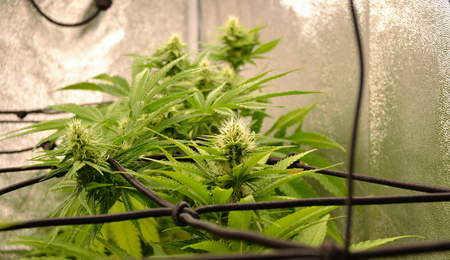
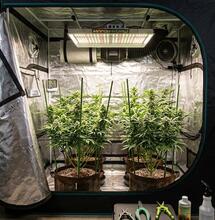
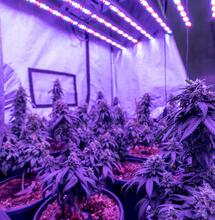
Flowering cannabis plants under grow lights in a tent
Growing top-quality cannabis from start to finish is a sweet science that takes lots of practice. As a beginner grower, there are so many different stages where something can go wrong, which can ultimately affect the quality of the buds and the yield. In this article, I will explain the most common mistakes a beginner grower can make, what to be aware of, how to avoid them, and the solutions. By the end of this article, you will be well-versed in what can go wrong, allowing you to make the best decisions at the right time!
The Germination and Seedling Stage
This is the first stage of a cannabis plant's lifecycle and easily one of the most exciting times as a grower. Germinating your cannabis seeds and giving them the best start in life during the seedling stage can make a massive difference in how your plants develop and perform later on. Below are some common mistakes to avoid during this time.
Lights Too Far Away
When your grow light is too far away from your seedlings, they can become tall, lanky and begin to fall over the side of the pots. When this happens, the seedlings can develop weak stems and a lanky growth structure. You should aim to keep your grow lights at 12-18 inches and use a low-powered LED or CFL to be on the safe side.
Overfertilisation
The cannabis seedling stage lasts 2 weeks, and during this time, seedlings require little light or nutrients. One of the most common issues growers can face is using soil that contains too many nutrients and salts. As a result, seedlings can become overfertilized, resulting in burnt plants. Only feed seedlings water if you are worried about overfeeding them.
Too Much Light Intensity
From the day your cannabis seeds germinate and sprout out of the growing medium, you need to be extra careful. This means taking it easy on the nutrients and providing the right amount of light intensity. When using PPFD as a measure of light intensity and PAR levels, you will want to provide seedlings with a range of 100 to 400 µmol/m²/s.
The Vegetation Stage
Once the seedlings have passed the 2-week mark, you are now ready to prepare them for the vegetation stage. Timers are set to 18/6, and now is the time when your plants will focus all their energy on growing leaves, stems, side branches, nodes, and internodal growth. Autoflowering cannabis seeds will automatically start flowering after 4 weeks, whilst photoperiod will stay in a vegetative state using 18/6.
Incorrect Temperatures
Creating the perfect growing environment means having the right equipment to measure the temperature in the grow room. You will want to provide a temperature of 23-25 degrees Celsius when the grow lights are on and 18-20 degrees when the lights are off. Use a digital hygrometer that can be left inside the tent or grow space.
Low Humidity Levels
Cannabis plants thrive in a warm, humid environment during the vegetative stage. Humidity levels should range between 65-75%, so avoid low humidity levels during this stage. If you are struggling to maintain high humidity, use a humidifier to add moisture to the grow room.
Under or Overwatering
We have all been there at one time or another, forgetting to water our plants or giving them too much water. The symptoms of under-, over-, and overwatered plants are very similar, leading to wilted, drooping leaves. The best way to maintain a healthy watering schedule is to use a measuring jug and to feed the plants at the same time every day. I find one hour after the lights are on is the best time during the vegetation stage.
The Flowering Stage
At this point, you will have switched your timers over to 12/12 and will be prepared for the plants to stretch tall and start producing buds! Unlike in the vegetative stage, humidity levels need to be much lower, and your temperatures should stay around 22-24 degrees Celsius to avoid bud rot.
Overcrowded Grow Tents
Keeping your plants too close together inside a cannabis grow tent, or simply overcrowding your grow space, can have many disadvantages. The main issue with an overcrowded flowering room is that airflow will be significantly reduced, leading to the spread of pathogens such as mould and mildew. Keep your plants evenly spaced, do not let buds touch the walls or fall onto other plants, and ensure there is plenty of airflow around the canopy.
Foxtailing Buds
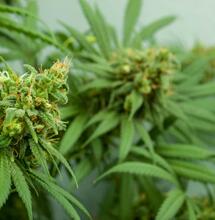
This occurs when the buds start to develop with a pointy, elongated and fluffy structure. The most common reasons for foxtailing buds are heat stress, excessive light intensity, or a combination of both. Overfertilising your buds during the last 3-4 weeks can also cause foxtailing.
Poor Ventilation and Air Flow
Cannabis plants love fresh air and plenty of air currents, especially during the flowering period and peak bud development. If your extractor is not working well, or there are not enough fans inside the grow space, buds can become prone to mould. Overcrowded rooms are the number one cause of poor ventilation and air flow.
Not Inspecting the Buds
A good habit to develop when cultivating indoor cannabis is to check your buds during the last 3-4 weeks for signs of mould. The largest and smallest colas will be the best candidates for exhibiting mould. You do not want to find out, come harvest time, that your buds have started to rot and are now useless for smoking or hash-making. Get in the habit of checking your buds for 15 minutes a day.
Overfeeding with Boosters
From my experience with growers, the cannabis flowering stage can be the time when they are too eager and overfeed their plants with high-powered boosters. A cannabis plant that has been overfed with phosphorus and potassium will slow down flower production and cause a discolouration of the leaves. It is best to follow the directions and mixing ratios from the nutrient companies, and remember: less is more when using boosters!
Harvesting Your Cannabis Plants
So the time has come: the flowering period is officially over, your plants look amazing, and all you need to do now is chop them, dry them out, and trim them up. Cannabis buds that are drying should be placed in an odour-controlled grow tent at 15 degrees Celsius and 55-60% relative humidity for 14-21 days.
Harvesting Based on Flowering Time
There are many ways to determine if your cannabis plants are ripe and ready to chop down; the flowering time of the strain will only be a guideline. You should pay close attention to trichome maturity using a magnification tool and to the degree of swelling of the bracts and calyx. Resin production on buds and smaller leaves; how many pistils are brown or orange?
Drying Out Buds Incorrectly
Hanging your cannabis plants inside a spare room, or inside a cupboard without the correct temperature, humidity or air flow, will only result in a low-quality end product. One of the biggest and most common issues a beginner can face is not taking the time to set up a drying tent with a carbon filter inside. Drying buds in an open room or in a cardboard box is a total waste of time and can lead to a low-quality crop.
Saving Mouldy Buds
Moulding cannabis buds can set an indoor grower back massively, as any infected mould buds need to be carefully cut away and thrown in the rubbish. Saving mouldy buds is a terrible idea, as smoking them will be harmful, and using them for hash or extracts is even worse! The rule of thumb is to cut your losses and, next time, learn what caused the buds to become mouldy in the first place. Never save buds or leaves that exhibit signs of mould and mildew.
My Final Thoughts
Growing top-shelf weed is a skill that takes years to develop, and sometimes learning from our mistakes is the only way. Hopefully, this article has outlined potential threats lurking around the corner and how to prevent them in the first place! Good luck mastering your indoor grow game and never worrying about a failed crop again.
S
Soft Secrets