Sponsored
7 Plant-Based Remedies People Are Actually Using for Better Health in 2026
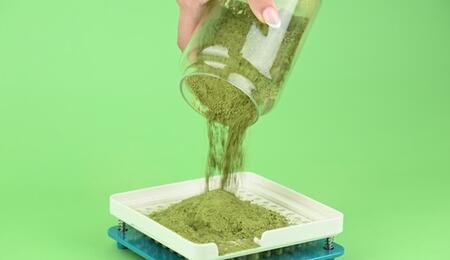
Walk through anyone’s kitchen cupboard in 2026 and you will likely find more than tea bags and paracetamol. Adaptogenic powders, tinctures and capsules drawn from traditional medicine systems have moved firmly into the mainstream, and the people buying them are noticeably more sceptical than the wellness shoppers of a decade ago. Industry data points to third-party testing and visible certificates of analysis as two of the biggest factors now driving repeat purchases, ahead of flavour or branding.
In other words, today’s buyer wants to know what the evidence actually shows and what is genuinely in the bottle, not just what the packaging promises. Here are seven plant-based options people are incorporating into their routines, along with an honest look at what the research says about each one.
1. Ashwagandha
Ashwagandha is the adaptogen with the most consistent clinical backing of anything on this list. A 2024 systematic review and meta-analysis covering 873 patients found that supplementation significantly reduced both perceived stress and cortisol levels compared with placebo. The NIH’s Office of Dietary Supplements confirms that most trials show benefits at doses of 500 to 600 mg a day, typically after several weeks of consistent use rather than overnight. It is not recommended during pregnancy, and anyone on existing medication should check with a doctor first.
2. Lion’s Mane and Reishi Mushrooms
Functional mushrooms are the fastest-growing corner of the herbal supplement aisle, and lion’s mane leads that charge for cognitive support. The evidence is genuinely promising but still early. A 2025 pilot study from Northumbria University found a faster response time on a cognitive task within an hour of a single dose, alongside a trend towards lower stress after 28 days of regular use. A separate NIH safety review notes that lion’s mane has not been linked to liver injury and is generally recognised as safe, though researchers are still careful to describe the wider cognitive evidence base as mixed, built mostly on small, short trials, with larger studies needed before any firm conclusions.
3. CBD
Hemp-derived CBD remains one of the most widely used plant extracts in the UK specifically. A peer-reviewed survey of 387 CBD users, more than three-quarters of them based in Britain, found the leading reasons for use were self-perceived anxiety, sleep problems and stress, with over half of respondents taking under 50 mg daily. The catch is regulatory rather than medical: CBD extracts have been classed as a novel food in the UK since 2019, and the Food Standards Agency has still not formally authorised any of them, even as thousands of products remain on sale while applications are assessed. That gap does not make existing products unsafe by default, but it does mean the usual safeguard of formal pre-market approval simply is not there yet. Buying from a brand that publishes current, batch-specific lab results is the most practical way to manage that uncertainty yourself.
4. Kratom
Kratom occupies a similar grey zone in the United States. People use it for energy, mood or mild discomfort, but the FDA has never approved it as a drug or dietary supplement, and federal testing of twenty-six kratom products previously found heavy metals in every single one, according to Consumer Reports. In the absence of government oversight, the industry built its own: the American Kratom Association’s GMP Standards Program requires participating vendors to pass an independent third-party audit every year. New Dawn Kratom, a vendor that publishes its own batch-level lab results and takes part in the AKA programme, illustrates what that combination of independent auditing and visible testing looks like in practice.
5. Valerian Root
Valerian has been used for sleep since ancient Greece, and it remains a popular choice today, but it is also the entry on this list where the evidence is least settled. NCCIH is blunt that the evidence on whether valerian helps sleep is inconsistent, and the American Academy of Sleep Medicine has actually recommended against using it for chronic insomnia in adults. People still reach for it, often as a tea, and most tolerate it well, but it is a reminder that popularity and proof do not always move together.
6. Saffron Extract
Saffron is a smaller name on this list, but the research behind it for mood support is genuinely encouraging. A randomised, placebo-controlled trial of 180 participants with mild-to-moderate depressive symptoms found saffron extract improved both mood and sleep quality over six weeks, with minimal side effects reported. Separate trials have reported similar benefits in people managing comorbid anxiety and depression alongside type 2 diabetes, and in children with ADHD-related sleep disruption, suggesting the effect is not limited to one narrow group. It will not replace prescribed treatment for clinical depression, but as an adjunct with a respectable evidence trail behind it, it has earned its place among 2026’s more talked-about botanicals.
7. Moringa
Often called the drumstick tree, moringa is less about treating a specific complaint and more about general nutrient density. Its leaves and seeds are notably rich in protein, iron, calcium and antioxidant compounds, and emerging research continues to explore its anti-inflammatory and antioxidant properties. Much of the more specific evidence, including studies on mood and sleep, is currently confined to animal models, so it is best approached as a nutritional top-up rather than a treatment for any particular condition.
These seven sit at very different points on the evidence spectrum, from ashwagandha’s repeated clinical backing to valerian’s genuinely unresolved research record. None of that should be read as a reason to dismiss any of them outright, but it is a good reason to treat all of it as personal experimentation rather than guaranteed results, particularly if you take other medication or are pregnant. Whichever of these you try, the same rule applies across the board: favour brands that show their current lab results rather than ones that simply ask you to trust the label, and talk to a doctor or pharmacist first if you are combining anything new with an existing prescription.
S
Soft Secrets