Smoking Marijuana and Lung Health: Is There A Relationship?
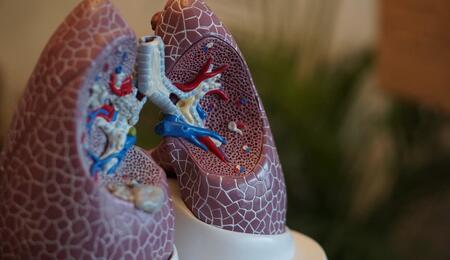
Medical research demonstrates that inhaling combusted cannabis alters bronchial airway mechanics and can lead to temporary inflammation of the respiratory tract. Photo by Robina Weermeijer on Unsplash
Smoking cannabis exposes the lungs to many of the same irritants and toxic compounds found in other types of smoke. But the long-term respiratory picture is more complicated than simply comparing cannabis with tobacco. Research consistently links regular cannabis smoking with cough, phlegm production, wheezing, and symptoms of chronic bronchitis, while the evidence surrounding long-term lung function, COPD, and lung cancer remains less conclusive.
As cannabis use becomes more widespread, understanding what happens when smoke enters the respiratory system can help put both the known risks and the remaining questions into perspective.
What Happens When You Inhale Cannabis Smoke?
The respiratory system is designed to bring oxygen into the bloodstream while removing carbon dioxide. Air passes through the trachea and bronchial tree before reaching millions of tiny air sacs called alveoli, where gas exchange takes place.
The airways also have their own defense system. Ciliated cells help move mucus and trapped particles upward and out of the respiratory tract, while coughing helps remove irritants that make it deeper into the airways.
Cannabis smoke can interfere with these protective mechanisms. Combustion produces heat, fine particles, carbon monoxide, and numerous chemical compounds, including polycyclic aromatic hydrocarbons (PAHs), a group of chemicals produced when organic materials are burned that includes several compounds known to be potentially harmful to human health.
However, smoke can irritate airway tissues and disrupt the normal movement of mucus and cilia, meaning the lungs do not distinguish between a recreational joint and other forms of combustion simply because the plant being burned is cannabis.
Cannabis Smoke and Respiratory Symptoms
One of the more consistent findings in research on cannabis smoking concerns respiratory symptoms. Regular smokers are more likely to report coughing, increased phlegm, wheezing, and episodes of bronchitis.
Chronic Cough and Mucus
Coughing is one of the body’s basic defenses against airway irritation. Repeated exposure to cannabis smoke can irritate the larger airways and increase mucus production, contributing to persistent coughing and phlegm.
These symptoms are often described as chronic bronchitis symptoms rather than evidence of permanent lung damage. Importantly, research suggests that respiratory symptoms can improve after people stop smoking cannabis.
Wheezing and Airway Irritation
Inflammation and irritation can narrow the airways, producing wheezing or a sensation of chest tightness. These effects can be particularly noticeable among people who smoke frequently or inhale large amounts of smoke.
The presence of these symptoms does not necessarily mean that a person has developed a chronic lung disease, but persistent respiratory symptoms warrant medical evaluation rather than being automatically attributed to cannabis use.
What Does Cannabis Do to Lung Function?
Lung function is commonly assessed using measures such as Forced Expiratory Volume in 1 second (FEV1) and Forced Vital Capacity (FVC). These measurements help clinicians assess how effectively someone can move air in and out of the lungs.
Research into cannabis smoking and these measures has produced more complicated results than the evidence on cough and bronchitis symptoms.
Some observational studies have found higher FVC among cannabis smokers, while other research has reported increased airway resistance or changes in airflow. Overall, the evidence does not establish the same clear pattern of progressive lung-function decline that has been firmly documented with heavy tobacco smoking.
That does not mean cannabis smoke is harmless to the lungs. Higher or preserved lung-volume measurements do not rule out airway irritation or other respiratory effects, and researchers continue to investigate how frequency, duration, and amount of cannabis use influence long-term outcomes.
What About COPD and Lung Cancer?
This is where the evidence becomes less definitive.
Long-term cannabis smoking has been consistently associated with respiratory symptoms and episodes of chronic bronchitis, but the relationship between cannabis use and chronic obstructive pulmonary disease (COPD) is less clear. Studies can be difficult to interpret because cannabis smokers may also smoke tobacco, while factors such as age, smoking history, frequency of cannabis use, and environmental exposures can affect respiratory health.
The evidence concerning lung cancer is similarly incomplete. Cannabis smoke contains several of the same potentially carcinogenic compounds found in tobacco smoke, which provides a reason for concern. However, studies have not yet established a clear causal relationship between cannabis smoking and lung cancer.
More research is needed to determine how factors such as cumulative exposure, smoking frequency, and long-term use affect the risk of serious pulmonary disease.
Does Stopping Smoking Help?
For people experiencing cannabis-related respiratory symptoms, stopping smoking can make a difference.
Research has found that cough and mucus production can improve after cannabis smoking is discontinued. This is consistent with the broader understanding that airway irritation caused by repeated smoke exposure can decrease when the exposure is removed.
This also highlights an important distinction: respiratory symptoms associated with cannabis smoking do not necessarily mean that permanent lung damage has occurred. Some effects may be reversible, although the extent of recovery can depend on individual exposure and other health factors.
Is Non-Smoked Cannabis Easier on the Lungs?
The combustion process is an important part of the respiratory equation. Edible cannabis products do not expose the lungs to smoke, while other non-combustible products avoid some of the heat and combustion byproducts associated with smoking.
However, “not smoking” should not automatically be interpreted as entirely “risk-free.” Vaping and dabbing involve different forms of exposure, and their long-term respiratory effects remain less well understood.
For lung health specifically, avoiding the inhalation of combusted plant material eliminates exposure to smoke, but each alternative delivery method comes with its own considerations. More research is needed to establish the long-term respiratory safety of different cannabis products.
The Bottom Line
So, is smoking marijuana linked to lung health problems?
The strongest evidence points to irritation of the airways and a higher likelihood of cough, phlegm production, wheezing, and chronic bronchitis symptoms among regular cannabis smokers. These symptoms can improve after smoking stops.
What remains less certain is the extent to which long-term cannabis smoking contributes to COPD, permanent loss of lung function, or lung cancer. The available research does not provide the same level of certainty found for the long-term respiratory harms of heavy tobacco smoking.
The clearest distinction is between cannabis and combustion. Smoking exposes the respiratory system to heat, particulate matter, carbon monoxide, and potentially harmful chemical compounds. Avoiding combustion may reduce exposure to some of these substances, but alternative inhaled cannabis products also require caution.
For anyone experiencing persistent cough, wheezing, chest pain, or shortness of breath, professional medical advice is appropriate rather than assuming the symptoms are simply a consequence of cannabis use.
Read more from Soft Secrets:
Disclaimer: Content published here is strictly for informational purposes and should not replace professional medical advice.
S
Soft Secrets