CBD: Potentially Effective Against Antibiotic-Resistant Bacteria
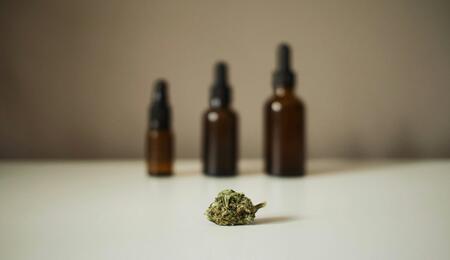
CBD may be a candidate for new ways to combat bacterial infections.
A recent laboratory study published in the scientific journal "Molecules" has demonstrated that cannabidiol (CBD) may possess strong antibacterial properties against Enterococcus bacteria, including strains that are increasingly resistant to standard antibiotics.
The authors of the study emphasize that the rise of bacterial resistance to drugs presents one of the most significant challenges in modern medicine. In this context, CBD could be a promising candidate for further research aimed at developing new strategies to combat bacterial infections.
CBD and Drug-Resistant Enterococcus Bacteria
The research was conducted by a team from Nicolaus Copernicus University and the Wrocław University of Environmental and Life Sciences. Their goal was to assess whether commercially available CBD products are capable of inhibiting the growth of Enterococcus faecalis and Enterococcus faecium. These bacteria are Gram-positive microorganisms that naturally occur in the environment and within the human gut microflora. They are also leading causes of hospital-acquired infections and are known for their high resistance to many commonly used antibiotics.
In the study, the researchers tested five commercially available CBD oil products and nearly pure crystalline CBD at a concentration of 99%. The antibacterial efficacy of these products was evaluated against 20 clinical strains of Enterococcus. The standard microdilution method was used to determine the minimum inhibitory concentration (MIC), which is the lowest concentration of a substance capable of stopping bacterial growth.
Results: Strong Antibacterial Activity of CBD
CBD demonstrated significant antibacterial properties against all tested strains, with MIC values of 1 microgram per milliliter or lower, indicating high effectiveness. The researchers found that an increase in CBD concentration enhanced its antibacterial activity. Notably, pure CBD and its crystalline form were more effective against Enterococcus faecium than against Enterococcus faecalis, with this difference being statistically significant.
Does CBD Have Real Potential in Combating Antibiotic Resistance?
In light of the growing problem of multiple drug-resistant Enterococcus strains in healthcare settings, the study's authors identify CBD as a potential candidate for developing new antimicrobial agents. They stress that further research is necessary to better understand how CBD disrupts bacterial survival. Nonetheless, the results provide a strong foundation for continued exploration of CBD-based approaches as potential tools in the fight against antibiotic-resistant infections.
More From Soft Secrets:
CBD, Autism, and ADHD: New Insights from Tel Aviv Scientists
CBD and THCV Could they assist with Weight Loss?
L
Liz Filmer