Sponsored
Why Transparency Is the New Gold Standard in Botanical Wellness
In recent years, the botanical wellness industry has experienced explosive growth. From herbal supplements to plant-based remedies, consumers are becoming increasingly interested in natural alternatives to support their well-being. But with that growth comes a critical challenge: trust.
As more brands enter the market, questions around sourcing, quality, and authenticity are becoming harder to ignore. Today’s consumers aren’t just asking what they’re buying—they want to know where it comes from, how it’s produced, and who is behind it.
This shift is reshaping the industry in profound ways.
The Rise of the Conscious Consumer
Modern buyers are more informed than ever. A quick search can reveal product reviews, lab results, sourcing claims, and even the ethical practices of a company. This level of transparency is no longer optional—it’s expected.
In the botanical space, where products are derived directly from nature, the stakes are even higher. Variations in soil, climate, harvesting methods, and processing can significantly impact quality and consistency.
That’s why consumers are beginning to prioritize brands that go beyond surface-level claims and offer real insight into their supply chains.
Why Sourcing Matters More Than Ever
Behind every plant-based product is a complex journey—from cultivation to processing to final delivery. When that journey is unclear, so is the product’s integrity.
Ethical sourcing has become a defining factor in distinguishing reputable companies from the rest. Brands that work directly with farmers, rather than relying on multiple intermediaries, are better positioned to:
- Ensure consistent quality
- Maintain sustainable growing practices
- Support fair compensation for growers
- Preserve traditional harvesting methods
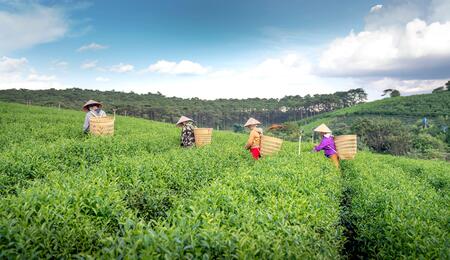
In regions like Southeast Asia, where certain botanicals have been cultivated for generations, these relationships are especially important. Long-standing partnerships with local farmers not only protect the supply chain but also help maintain the cultural and agricultural heritage behind the product.
The Role of Lab Testing in Building Trust
Transparency doesn’t stop at sourcing—it extends into verification.
Third-party lab testing is quickly becoming the industry benchmark for quality assurance. Independent testing helps confirm:
- Purity and absence of contaminants
- Consistency in active compounds
- Product safety for consumers
Without this layer of validation, customers are left relying solely on brand claims. With it, they gain confidence in what they’re purchasing.
For many consumers, lab-tested products are no longer a premium feature—they’re a basic expectation.
The Problem With Over-Processing and Additives
Another growing concern in the botanical market is product integrity. As demand increases, some suppliers resort to shortcuts—blending materials, adding fillers, or altering products to stretch supply.
While these practices may reduce costs, they often come at the expense of quality and authenticity.
A growing segment of the market is pushing back, seeking products that are:
- Minimally processed
- Free from additives or fillers
- True to their original form
This preference reflects a broader movement toward simplicity and purity in wellness products.
Speed and Service Still Matter
While sourcing and quality are critical, the customer experience remains a key differentiator.
Fast, reliable shipping and responsive customer support are essential for building long-term trust. In an industry where many companies rely heavily on automation and outsourced services, businesses that invest in real, human support stand out.
Consumers value knowing that if something goes wrong—or if they simply have a question—there’s a knowledgeable person ready to help.
Education as a Competitive Advantage
As the botanical industry evolves, education is becoming a powerful tool for both consumers and brands.
Companies that take the time to inform their audience—about sourcing practices, product differences, and responsible usage—are helping to elevate the entire market. This not only builds credibility but also fosters a more informed and loyal customer base.
Educational content, community engagement, and transparency initiatives are no longer just marketing strategies—they’re essential components of a modern wellness brand.
A Shift Toward Accountability
What we’re seeing today is a fundamental shift: from opacity to accountability.
Consumers are no longer satisfied with vague claims or generic branding. They want proof, stories, and a clear connection between the product and its origin.
Brands that embrace this shift—by investing in ethical sourcing, rigorous testing, and open communication—are setting a new standard for the industry.
For those exploring high-quality botanical products, it’s worth taking the time to understand the values and practices behind the brand. Learning more about how companies approach sourcing, testing, and sustainability—such as those outlined on https://www.authentickratom.com/—can offer valuable insight into what truly sets a product apart.
The Future of Botanical Wellness
As the market continues to grow, one thing is clear: transparency is no longer a differentiator—it’s the baseline.
The brands that will thrive are those that:
- Build genuine relationships with their suppliers
- Commit to verifiable quality standards
- Prioritize customer trust above short-term gains
In a space rooted in nature, authenticity matters more than ever. And as consumers continue to demand higher standards, the industry will be forced to rise to meet them.
That’s ultimately a good thing—for businesses, for farmers, and for everyone seeking better, more trustworthy wellness solutions.
S
Soft Secrets