From Seed to Sprout, How to Grow Green Crack
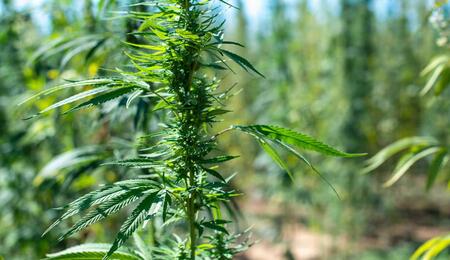
A powerful Sativa-dominant hybrid (75%), Green Crack (also known as Green Cush) is a much-praised Skunk variant famous for its invigorating, sharp effects. It’s a great choice of strain to consume over the day to combat feelings of stress and quickly freshen up from fatigue. As a potent energy booster, this strain is a favorite among cultivators. Below is everything you need to know on how to grow Green Crack successfully, from initial setup to a generous harvest.
Green Crack Strain Profile & Quick Facts
Green Crack plants are known to grow faster and can become quite tall even before they begin to flower. Be prepared once the buds start forming—they’ll usually mature quickly. Outdoor grows deliver the best results, but with some extra work, indoor growing works just as well.
Genetic lineage: Skunk #1 x Sweet Leaf Indica
Strain naming: Cannabis lore credits Snoop Dogg with giving this potent strain its now-infamous name: Green Crack.
Dominance: Sativa (75%)
Grow difficulty: Fairly easy
Flowering time: Approximately 8 weeks (2 months)
Average THC: Ranges between 17% and 24%
Climate: Mild to warm, ideally around 80°F (approx. 26.5°C)
Warnings: Vulnerable to nutrient deficiencies and mold
Potential Uses and Lifestyle: As a Sativa-dominant strain, Green Crack is often utilized as a daytime smoke or “morning buzz.” As reported by users, this strain is often used for its energetic properties. Some consumers also report that Green Crack may help with temporary relief from pain, fatigue, and symptoms of depression, but it is not a substitute for professional medical advice.
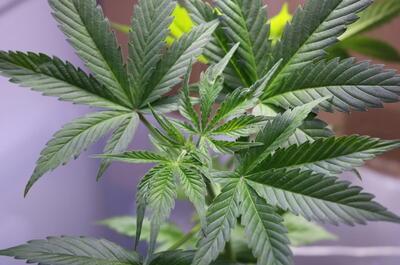
Work with clean hands and instruments when you handle anything from seeds to full grown plants.
Green Crack: Outdoor vs. Indoor Cultivation
To get the most out of your Green Crack cannabis gardening, growing outdoors will generally bring about the best results.
- Outdoor Growing: This option works best if you live in warm, Mediterranean-like climates.
- Yield: You can achieve yields of more than 20 ounces per plant.
- Harvest: If you plant in the summer, Green Crack cannabis will typically be ready for harvest somewhere at the end of September or the first half of October.
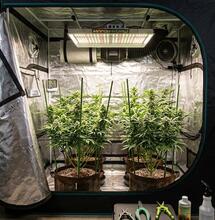
- Indoor Growing: A great choice if you want to enjoy more than one harvest annually.
- Yield: While your plants won’t produce 20 ounces inside (10-15 ounces would be a good result), the benefit is the ability to repeat the cycle quickly.
- Temperature: A key prerequisite is that the temperatures stay consistently between 85°F and 70°F (21-30°C). Slightly lower than that during flowering.
Phase 1: Setting Up the Perfect Environment
Whether you are planting indoors or preparing an outdoor garden, the environment is critical.
Preparing the Soil
If growing outdoors, separate a space in your garden where your Green Crack flowers will have sufficient room for their roots.
- pH Level: Test the pH of the soil, aiming for values between 6.4 and 6.8 (slightly acidic to neutral). Use appropriate solutions to balance the soil if needed.
- Enrichment: Enrich the soil with organic fertilizers. Peels from fruits or leaves can work well for compost. Prepare your compost in advance so it’s ready as your cannabis plants begin to grow.
Water Management Basics
Green Crack plants are sensitive to overwatering, which can lead to root decay.
- Germination: Ensure the soil at the top is just moist enough, not too much.
- Growth: Carefully add water. Before watering, dip your finger about an inch into the soil. If it feels moist to the touch, skip adding water that day and re-test tomorrow.
- Best Practice: Water early in the day so that there is enough time before nightfall for the soil to absorb the water and for the surface to dry slightly, discouraging mold growth.
Essential Care: Nutrient Strategies
Green Crack is known to be vulnerable to nutrient deficiencies, so familiarizing yourself with how to spot them early is crucial for a timely reaction. Common signs of deficiencies include yellowing, curling of leaves, slow growth, and weak stems.
- Vegetative Stage: Ensure you add plenty of Nitrogen to support robust leaf and stem growth.
- Flowering Stage: What works well for Green Crack is adding sufficient Phosphorus early in the flowering stage. The sooner you start adding Phosphorus, the better for developing large, dense buds.
- Source: Use only natural materials when preparing compost to avoid harsh chemical imbalances.
Light Requirements & Optimal Canopy Management
Green Crack is one of those Sativa strains that demands excessive amounts of light to thrive.
- Vegetative Stage (Indoor): If possible, keeping the lights on for 24 hours during the vegetative stage may maximize growth.
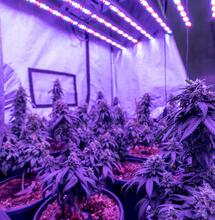
- Lighting Type: Choose HPS lighting (high-pressure sodium lights). This type of light produces plenty of “red spectrum” light, which works particularly well to boost photosynthesis in Green Crack plants. Or choose full-spectrum LEDs, which provide both red and blue light spectrums, and are also highly effective.
- Distance: Keep a distance of around 25 inches between your lights and your plant canopy.
Managing Heat
If growing indoors, the high-intensity lighting may create excess heat.
- Cooling System: If your room temperature shows above 85-90°F, consider implementing a cooling water system or other ventilation solutions to maintain ambient temperature and prevent damage to your plants.
The Critical Warning: How to Prevent and Treat Mold
When growing Green Crack outdoors, keep an extra eye on gray mold (Botrytis), as this strain is susceptible, especially in humid environments.
- Prevention: Consider trimming some of your plant’s leaves to increase airflow and light exposure, which helps avoid bud rot. Working with clean hands and instruments is also critical.
- Treatment: If mold does appear, use solutions such as Potassium Bicarbonate or neem oil to prevent the spread.
Harvest: When is Your Green Crack Cannabis Ready?
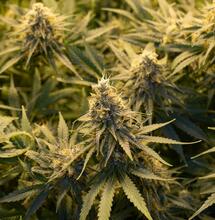
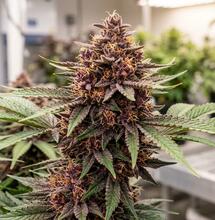
You’ll know you’re successful when your crops develop Green Crack’s distinctive lime green color and citrusy mango-like smell.
- Pistil Rule: When harvesting, follow the rule of thumb with the pistils: aim for a point where no more than 75% of pistils have undergone a color change (turning from white/clear to amber/brown). 80% maximum.
- Potency: Further delaying harvest may affect the overall potency of your Green Crack.
Happy growing!
More grow guides from Soft Secrets:
- Girl Scout Cookies Cannabis Grow Guide
- Grow Tips for Sugar Bomb Punch Cannabis Strain
- How to Grow Runtz Cannabis?
Last updated November 17, 2025
S
Soft Secrets